A good automation system does not need to answer every question. In a grooming business, recognising when a conversation needs empathy, inspection or professional judgement is part of doing the job well.
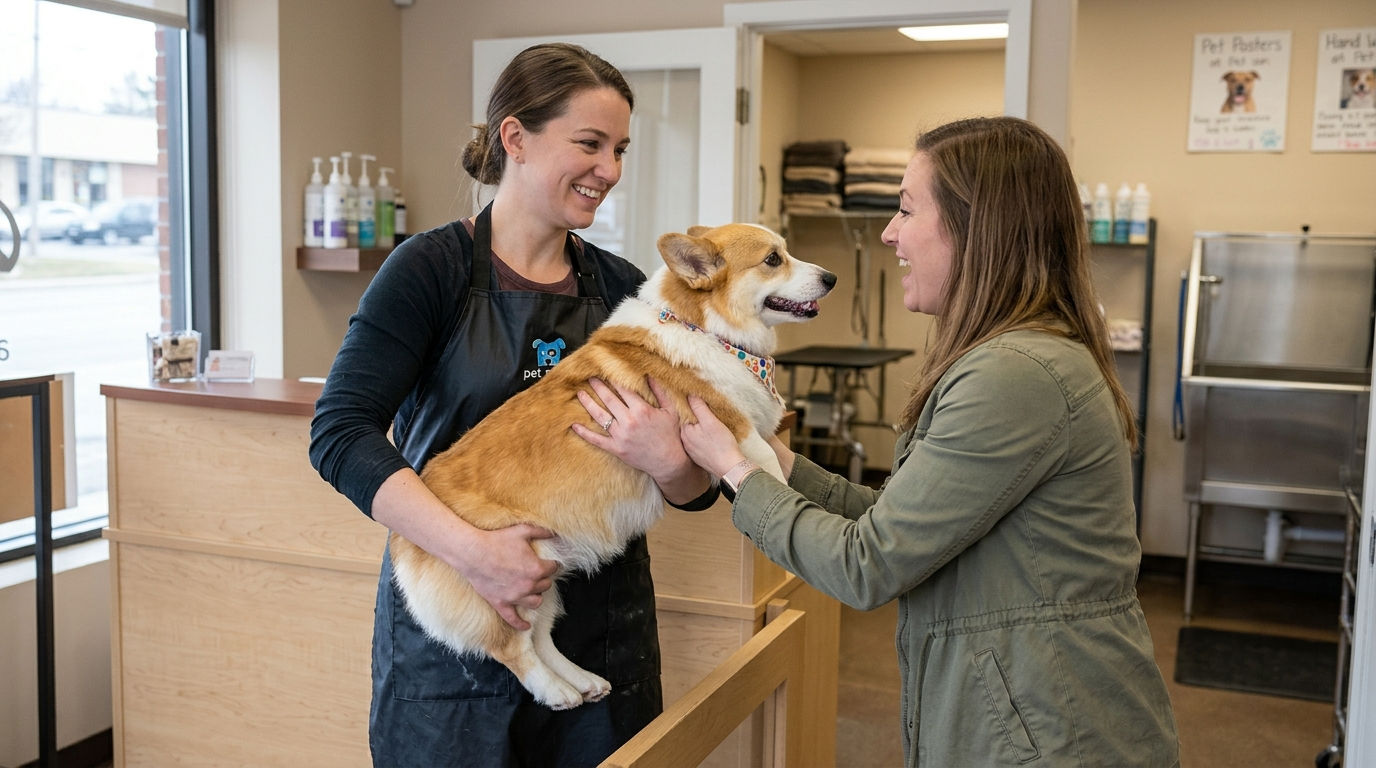
The handoff must be more than “someone will be in touch.” It should explain what happens next, preserve the relevant information and leave the client feeling that a real person has taken responsibility for the issue.
Map decisions that cannot safely be automated
A language model can organise information but cannot examine a coat, assess a dog in person or negotiate a sensitive dispute on the groomer's behalf. A client describes severe matting and a painful area, then asks the bot to guarantee a particular clip and price.
Identify explicit triggers for welfare concerns, complicated coats, behaviour risks, disputes, exceptional pricing and unusual scheduling needs. Leaving triggers vague encourages confident replies precisely when humility and human review are needed.
Recognise emotional as well as technical signals
A long-standing client says they felt embarrassed about a previous conversation over a cancellation fee. An unhappy or worried client may need to feel heard before discussing a booking rule. Automated deflection can make the situation worse.
Sentiment analysis is fallible; a simple explicit request for a person should always be enough to escalate. Offer to connect them with the groomer, acknowledge the concern without assigning blame and avoid argumentative policy scripts.
Make the handoff request meaningful
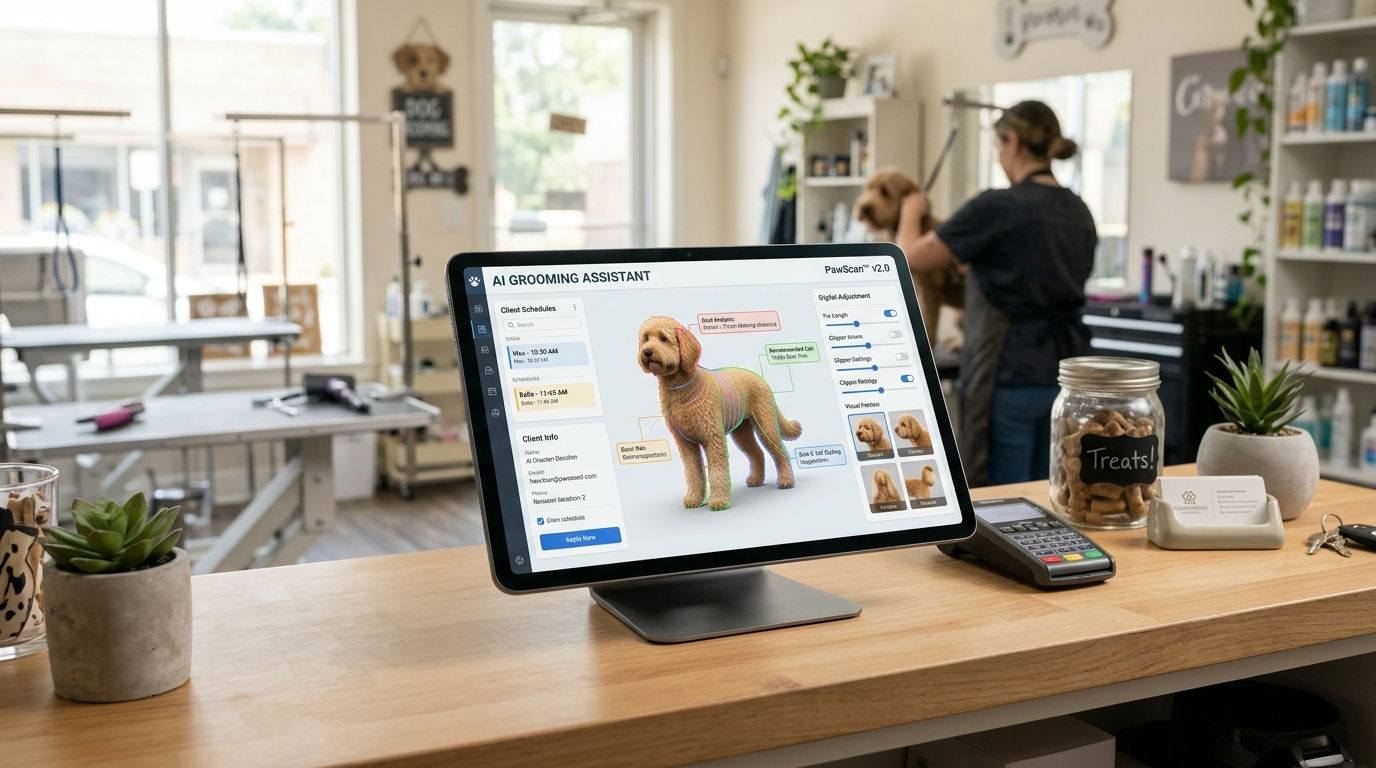
Create a structured summary and a visible status so the groomer can pick up the conversation without starting from scratch. A notification should contain the decision the groomer must make, the relevant pet and booking details, and what the client has already been told.
“Customer needs help” is less useful than “New elderly spaniel, morning appointment requested, owner reports difficulty standing.” Avoid forwarding unnecessary sensitive details or the entire unfiltered chat when a concise summary would serve.
Set realistic response expectations
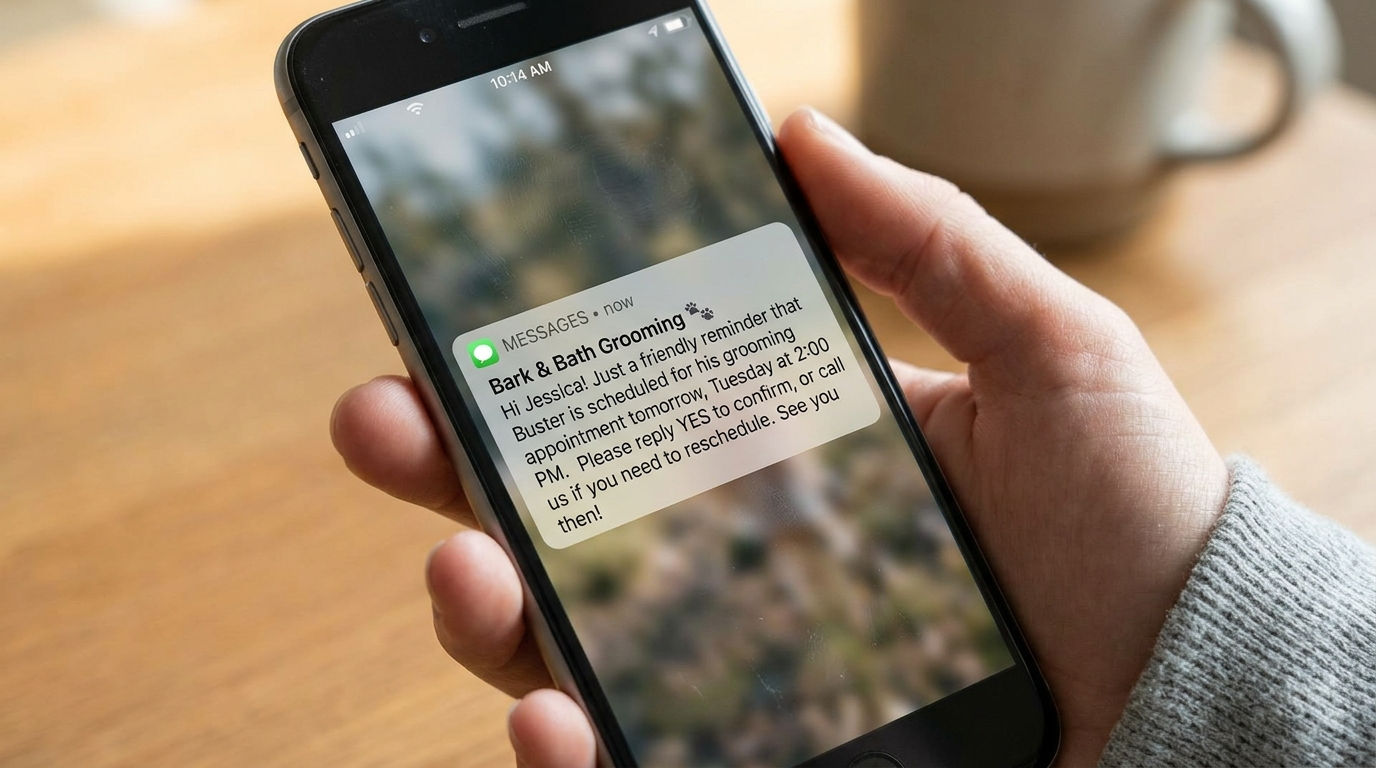
The business's capacity to answer matters as much as the bot's ability to promise a callback. After-hours and busy-period messaging need different wording. Use accurate windows such as “during our next working period” and offer email or voicemail where appropriate.
Do not set an automatic deadline that the business cannot reliably meet, particularly on weekends or closure days. A solo groomer may not be able to call back within ten minutes during an afternoon of back-to-back appointments.
Voice answering raises its own transfer and callback questions; see voice AI for independent dog groomers.
Preserve the booking state while waiting
A handoff should not leave an uncertain appointment in an apparently confirmed status, or reserve time indefinitely. A bot should never both tell the client to await approval and silently create a final reservation.
A complex first-time service is flagged for approval while the only long appointment slot is shown to several other clients. Use clear states for awaiting review, tentative hold and confirmed booking, with defined rules for releasing unconfirmed time.
Give staff a workable queue
Handoffs need ownership and priority, not just more notifications. A solo groomer benefits from a short daily review list. Several routine rescheduling requests can sit alongside a safety concern that needs earlier attention.
Group requests by urgency, show the last client message and let the owner mark the next action or completed response. If every unusual adjective triggers an alert, the queue becomes noise and real concerns are harder to spot.
Learn from conversations that cross the boundary
A stream of questions about nail trimming may indicate that the website's service descriptions are too vague. Some repeated handoffs are necessary; others reveal unclear booking rules that could be improved without removing human control.
Do not judge success by pushing handoffs toward zero; complex judgement is not a defect to automate away. Review a handful of escalations each week, correct the underlying FAQ and test whether the bot now answers routine cases accurately.
Offer a direct route to a person
Keep contact details visible, support simple “speak to someone” requests and test how transfers or callbacks work on mobile. The client should be able to choose human contact even if no safety trigger is detected. Accessibility and trust depend on that choice.
A customer with limited confidence using chat may prefer to send an email with the information they already have. Hiding the phone number to force automated conversations can hurt loyalty despite lower incoming call volume.
The handoff should feel like a continuation, not a dead end
A client who has already described a worried dog should not be greeted by a human who asks them to type everything again. The assistant's summary should say what the customer wants, which facts are known, what remains uncertain and what the bot has told them. For example: “First-time spaniel; requests Saturday; owner reports distress when handled near ears; no appointment confirmed; groomer to discuss suitability.” This is more useful than forwarding an uninterrupted transcript. The customer also needs a practical expectation: “The groomer will review this during the next working period” is better than a promise of an immediate call nobody can make.
A handoff is not complete when a notification is sent. Somebody must own the request, see whether a reply has been sent and be able to close it. If a salon shares an inbox, record the responsible person or use a simple queue with states such as new, awaiting client, awaiting groomer and resolved. A task should not be silently marked complete merely because the assistant stopped responding. For a solo business, the queue can be small; what matters is being able to find the important conversations without searching several apps.
Identify the situations that deserve early attention
Welfare and safety concerns require a different response from ordinary requests to change a time. An owner who mentions an injury, significant discomfort or aggressive behaviour should be offered a real conversation before a complex appointment is accepted. The bot should not diagnose, prescribe handling techniques or promise the dog can be groomed. Likewise, a charge dispute or complaint benefits from a calm human response rather than an increasingly elaborate automated defence of policy. The system can gather context and pause the disputed decision without deciding who is right.
Some handoffs are about trust rather than technical inability. A client may ask for a person simply because they prefer speaking to the groomer. Make that choice available, even where the bot could theoretically answer. Hiding contact details or requiring a client to trigger a special phrase can feel obstructive. A direct email address, monitored callback route or visible contact button keeps the salon accessible to people with different communication needs.
Decide what happens to an unconfirmed slot
If a booking has been held while a groomer reviews a coat concern, the system needs a rule for how long that hold lasts and what the client sees. It must not promise that the time is reserved indefinitely. Conversely, it should not display a confirmed appointment when the owner is still waiting for approval. Define separate states for enquiry received, tentative hold, approval required, payment pending and confirmed booking. Test the transitions, particularly when the owner submits new information or the groomer declines the first proposed time.
A handoff should also preserve the ability to correct errors. Suppose the assistant misheard the dog's breed or selected the wrong service duration. The groomer needs to see the original client statement alongside the structured booking data, make the correction and explain any resulting change. A system that only stores its own polished summary can conceal the source of the mistake. Keep records proportionate to the enquiry and remove unnecessary sensitive details once they are no longer needed.
Make the boundaries visible in your everyday language
A good message sounds reassuring because it is specific: “I can collect the details, but Emma will confirm the best length of appointment for this coat.” It does not pretend the assistant can make professional judgements about a dog it has never met. Review a few handoffs each week to see whether the trigger was appropriate and whether clients understood the next action. The goal is not to eliminate human conversations. It is to preserve the ones where a groomer's judgement, knowledge or kindness matters most.
A handoff deserves a closure message
After the groomer responds, confirm what was actually decided. An owner who sent a complicated enquiry should not have to infer whether the proposed appointment is now booked or still awaiting payment. The final reply can state the agreed service, date, next step and any information that remains unresolved. Mark the internal task complete only when the client has been answered, not merely when a member of staff has opened the notification. That small discipline prevents handoff queues becoming a place where important requests disappear.
Simulate an urgent human handoff
- Trigger an escalation using a recent surgery, bite concern or uncertain coat condition, and record who receives it.
- Ensure the client sees a pending status and a realistic reply window instead of an automated confirmation.
- Check that the human can see the enquiry history without re-asking unnecessary questions.
Official background reading for Human Handoffs: When an AI Grooming Booking Bot Needs You
Human judgement is part of the system
A dependable handoff makes the AI useful by placing limits around its authority. Clients can share routine details quickly, and the groomer still sees the decisions that need their experience. The question is not how few human conversations remain; it is whether the right conversations reach the right person with enough context.