AI Booking
How AI Booking Assistants Handle Grooming Enquiries
Understand what an AI booking assistant can answer, collect and safely hand back to the groomer.
8 min readRead guide
Find practical answers to booking, calendar, intake, reminder and business-tool decisions for independent dog groomers.
Browse the guides below, or search for a specific question.
Understand what an AI booking assistant can answer, collect and safely hand back to the groomer.
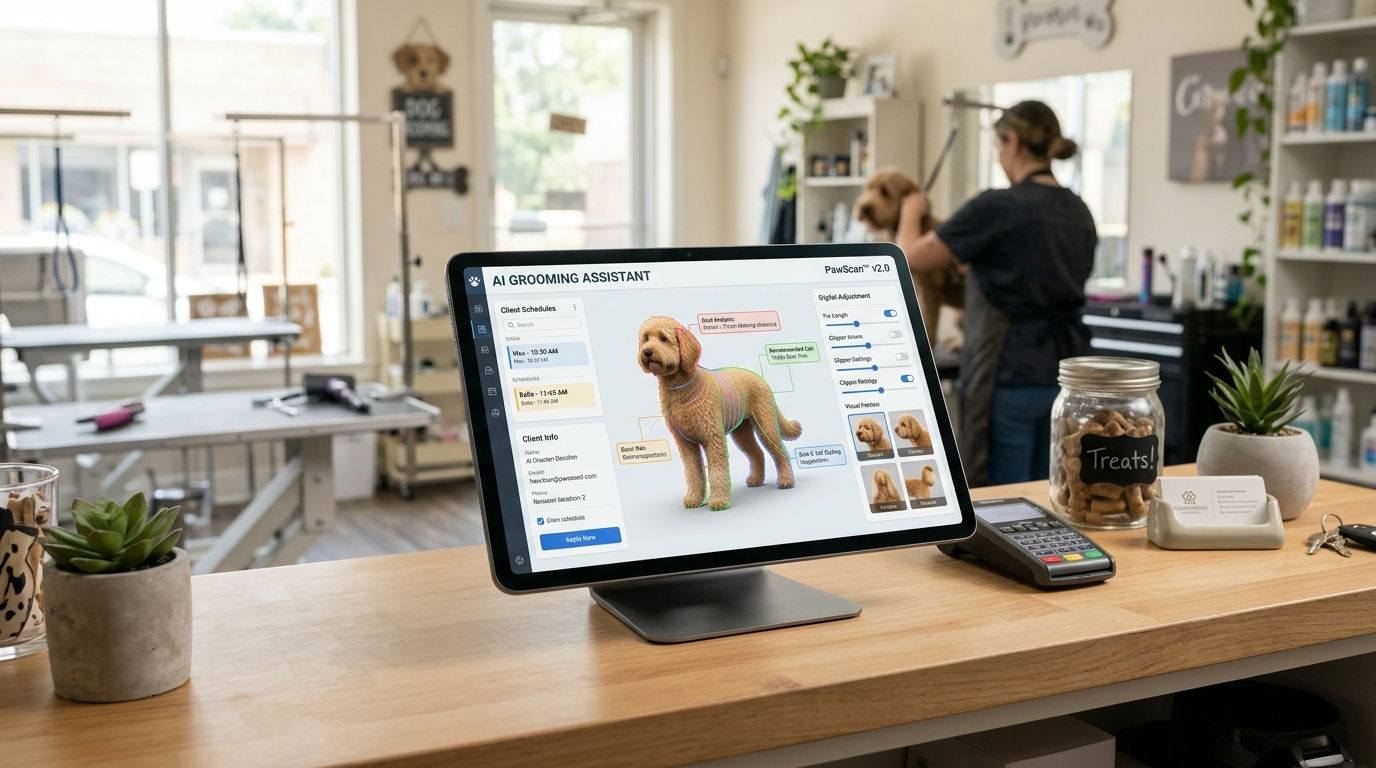
A practical setup sequence for grooming chatbots, from service rules to testing and safe escalation.
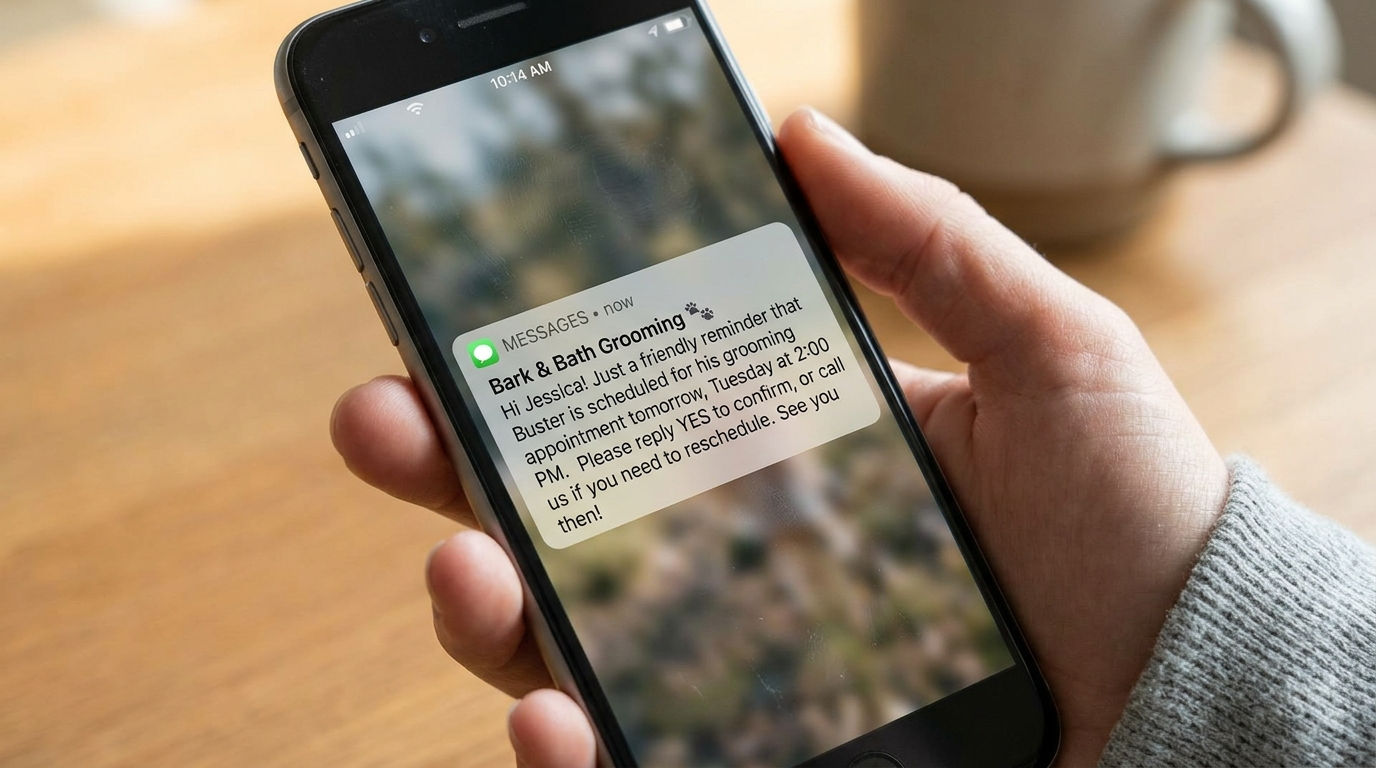
What SMS booking can really do, where it fails and how to keep confirmations reliable.
Decide when a voice assistant should answer calls, collect information or pass callers to you.
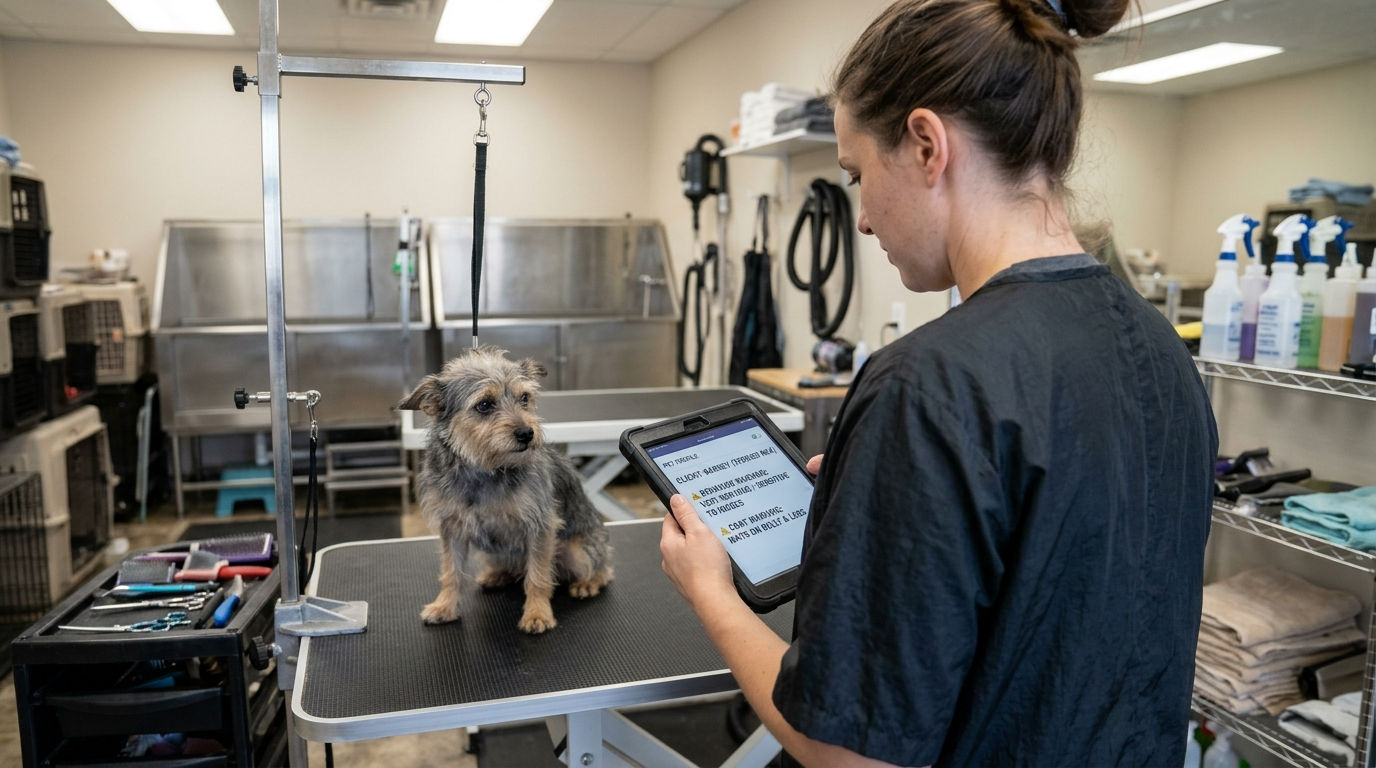
The information and judgement an assistant needs before proposing a safe grooming slot.
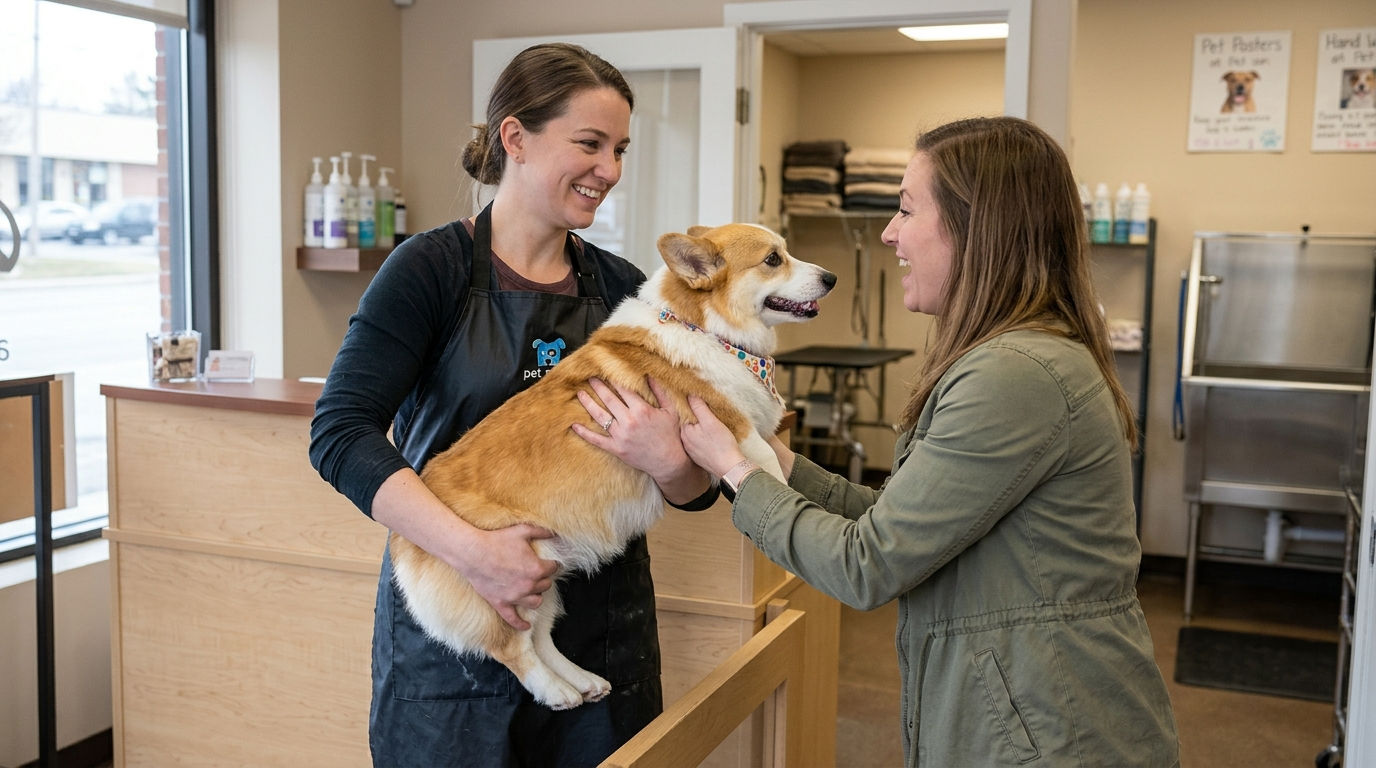
Create humane, reliable escalation from AI chat and voice assistants to the groomer.
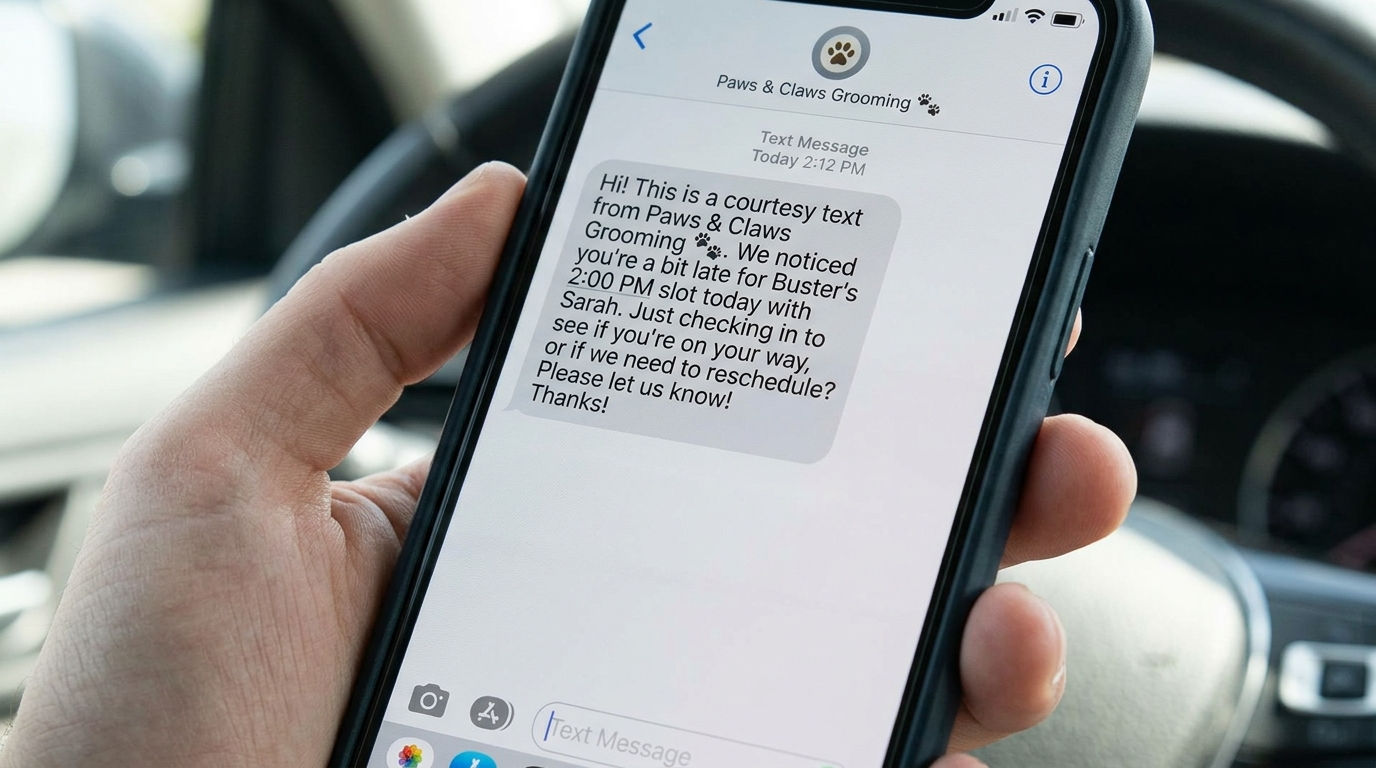
Write distinctive automated replies that remain clear, truthful and recognisably yours.
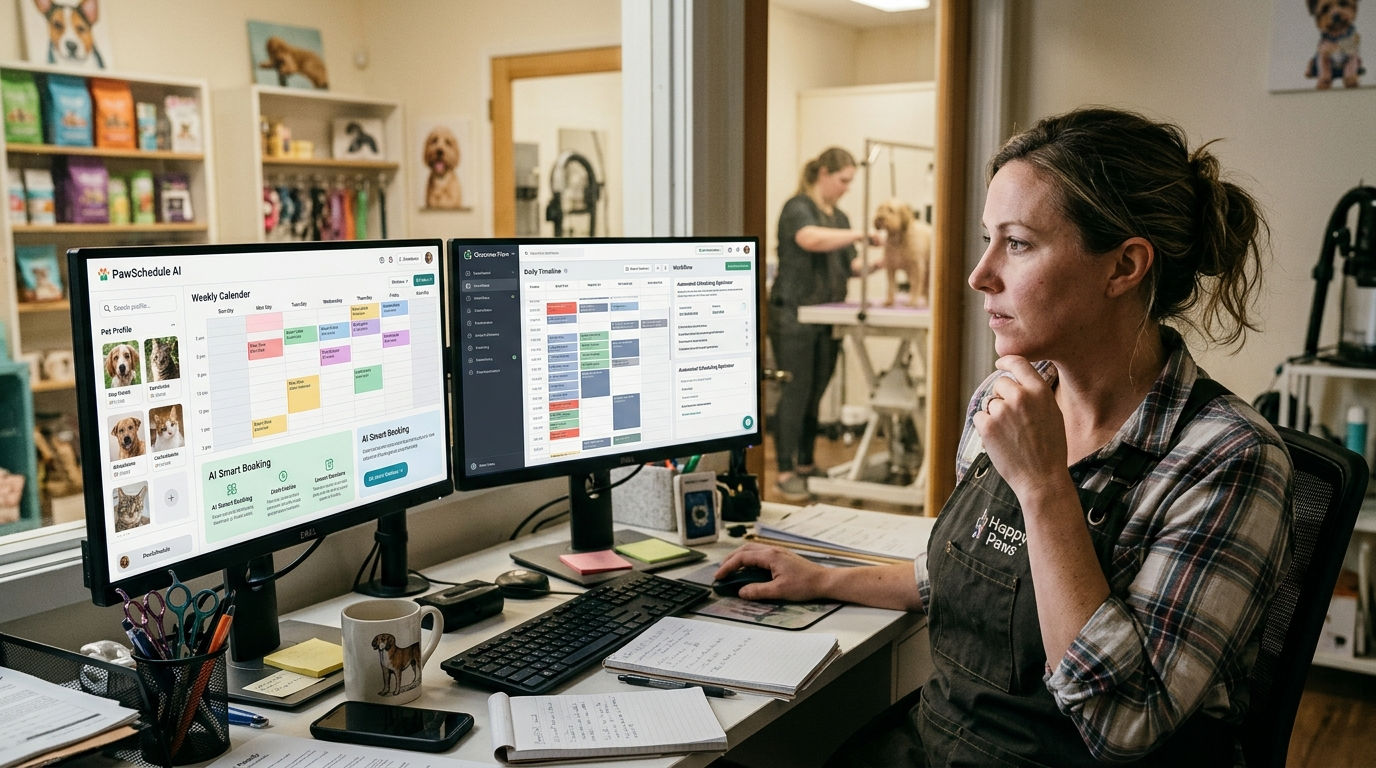
Compare booking systems by practical fit, not just a long list of features.
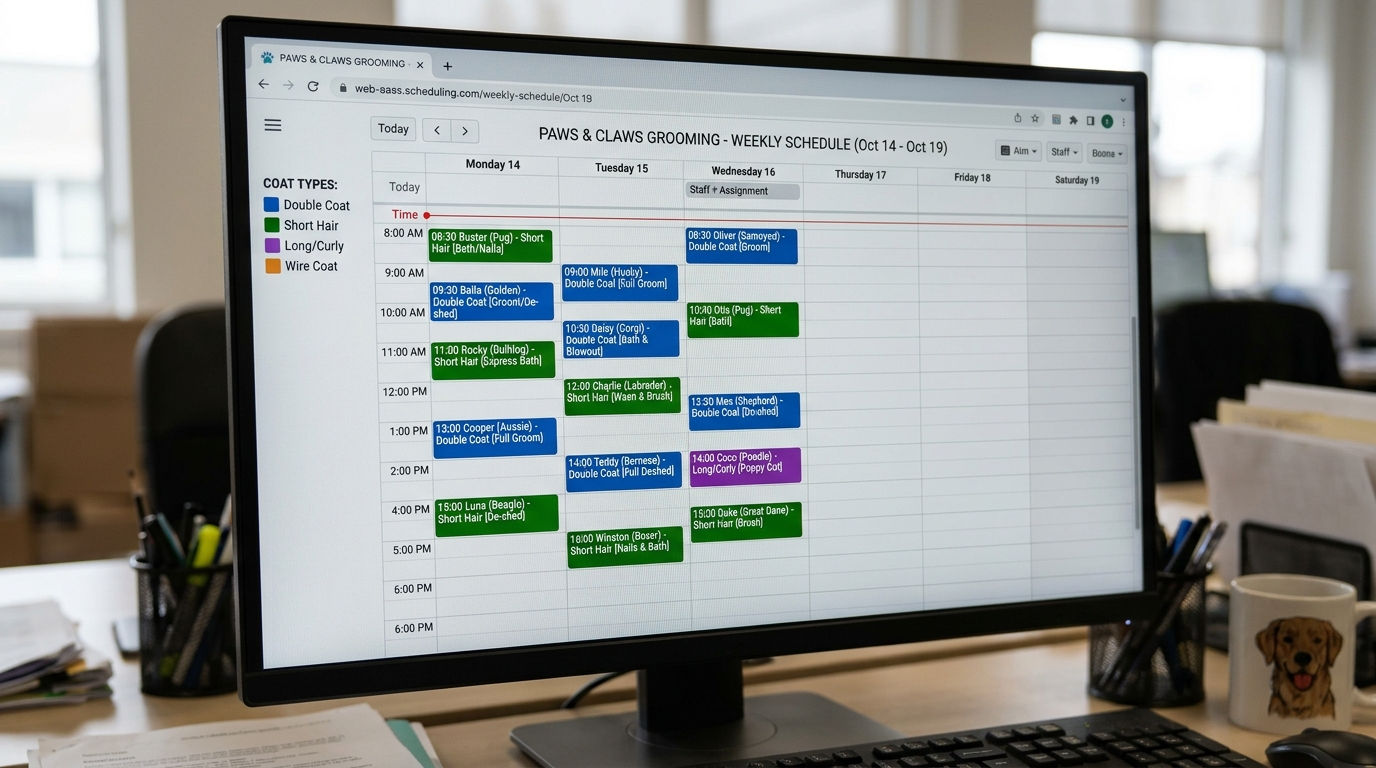
Plan realistic appointment blocks around coat condition, service mix and available capacity.
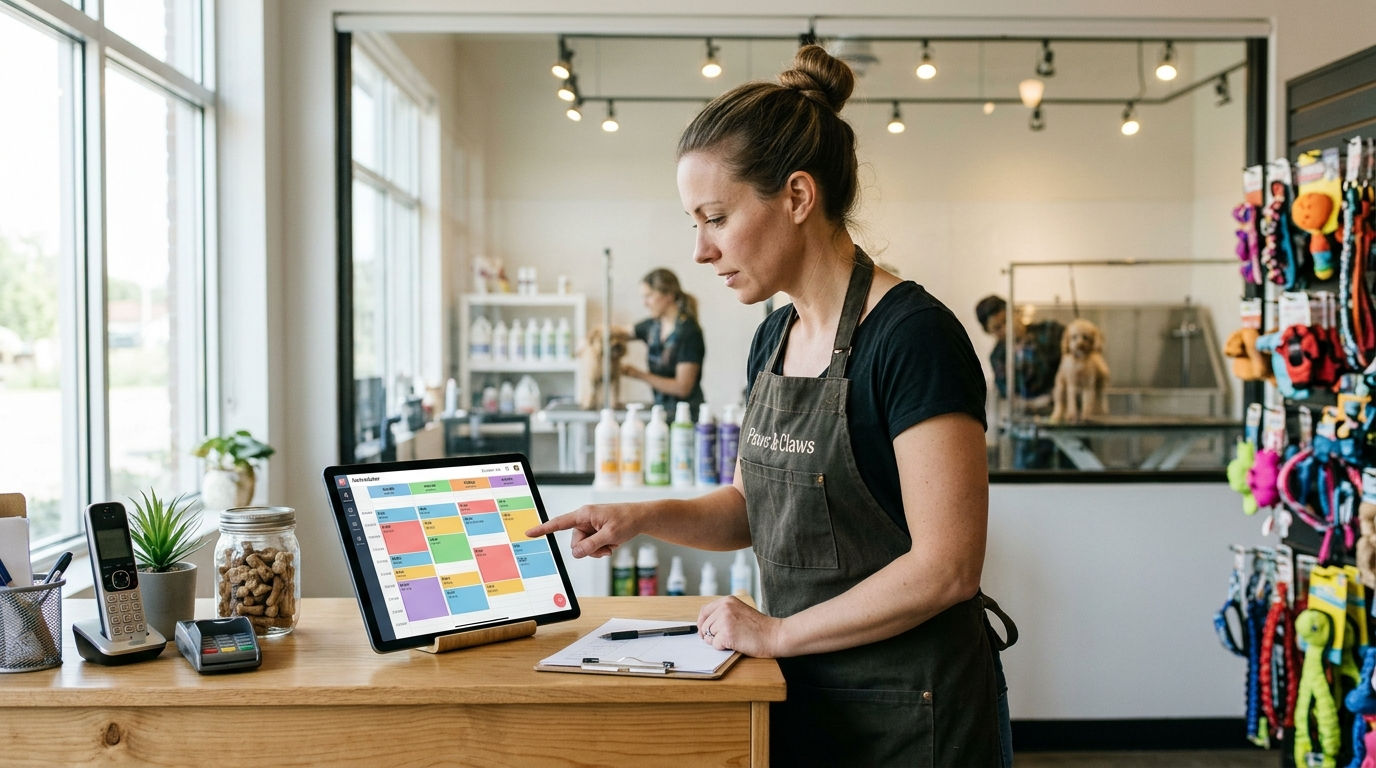
Avoid overlapping appointments when channels, services and staff share the same calendar.
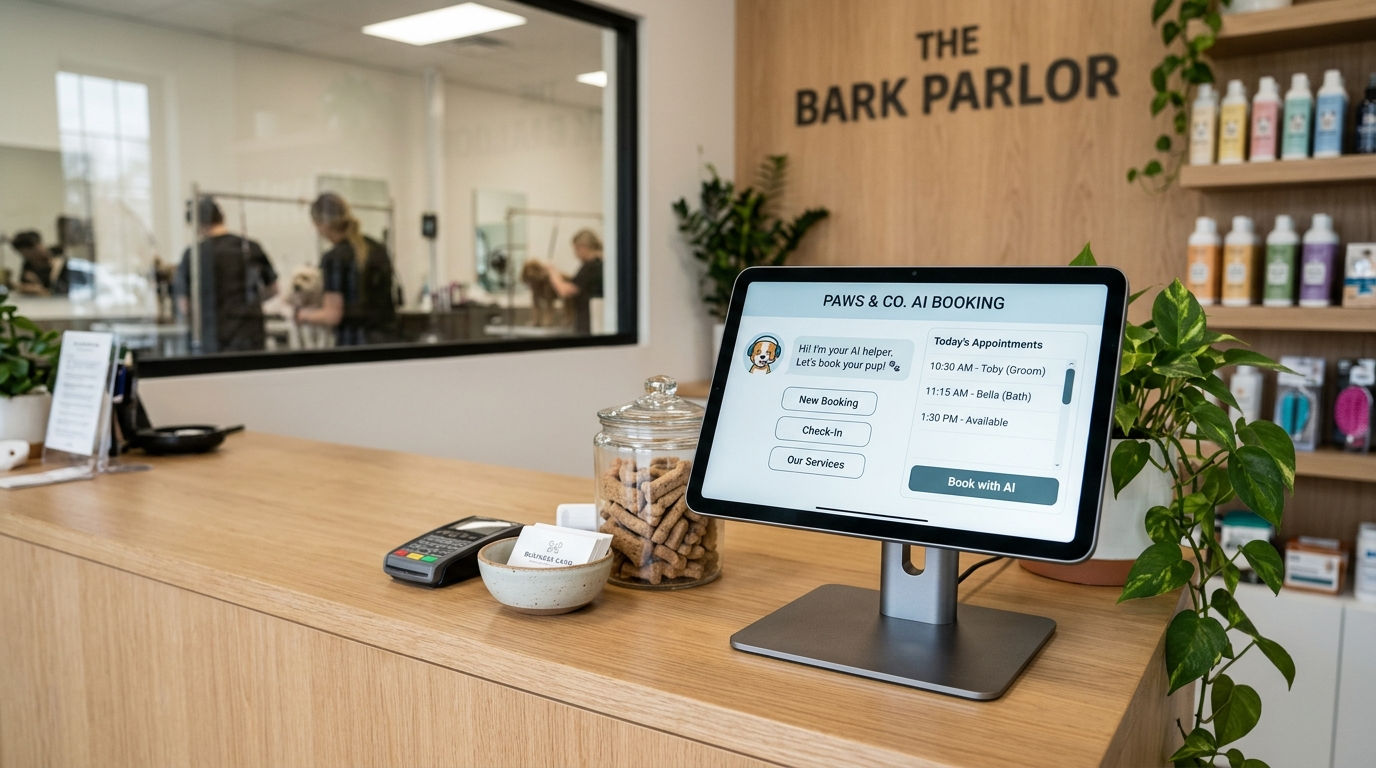
Build a recurring booking routine without filling the diary with unsuitable assumptions.

Choose sensible booking margins that protect grooming quality and prevent delays from spreading.
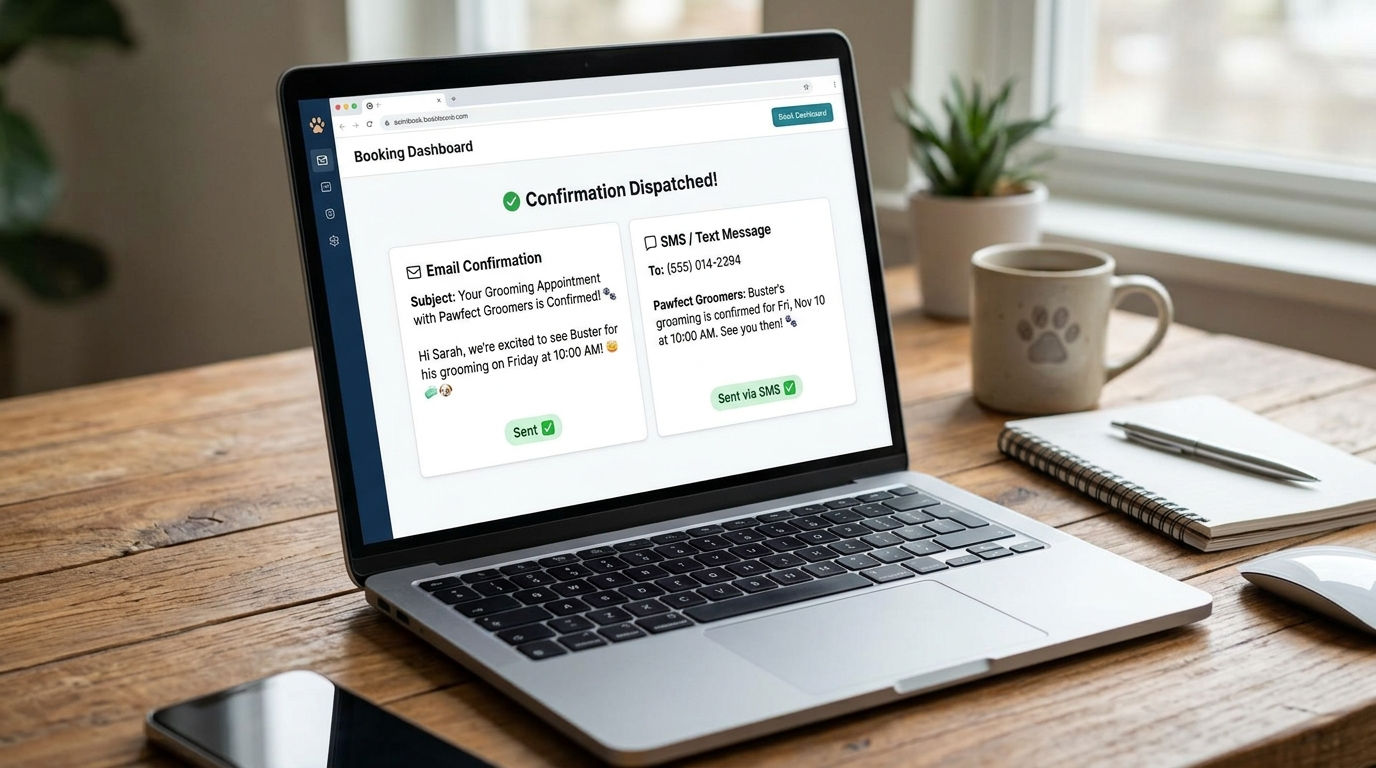
Fill genuine openings fairly and accurately without sending chaotic offers to every client.
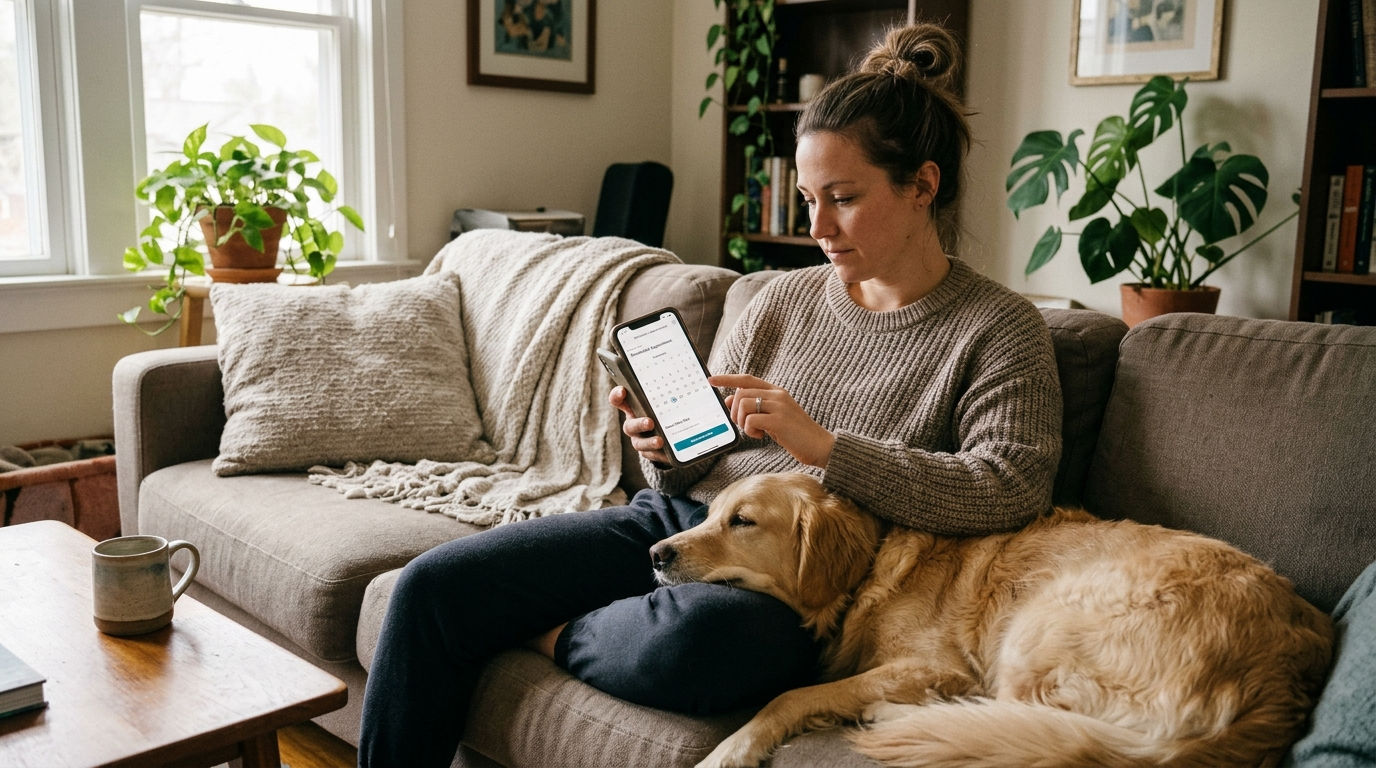
Offer convenient self-service changes while protecting service lengths, buffers and salon capacity.
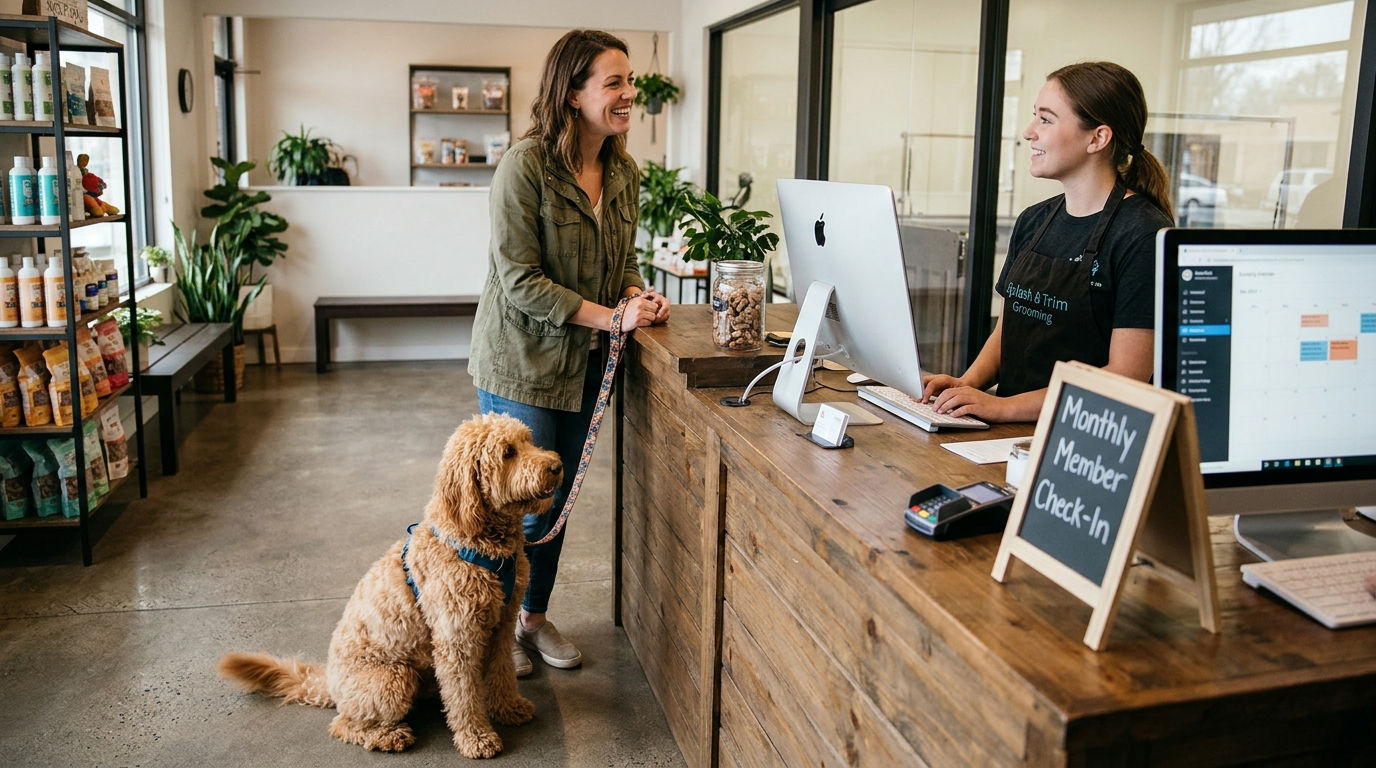
Use first-visit intake questions to plan a comfortable and realistic appointment.
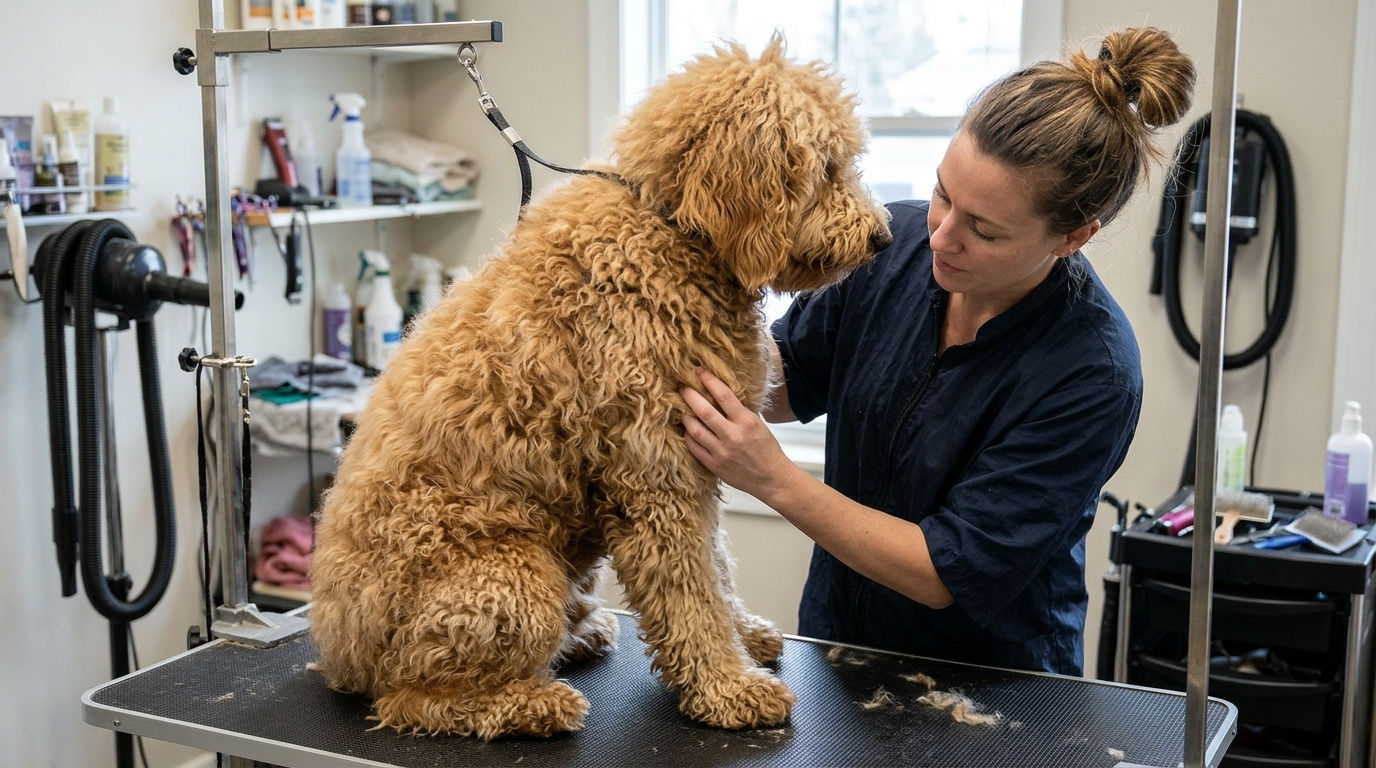
Design intake questions that flag grooming challenges for professional review.
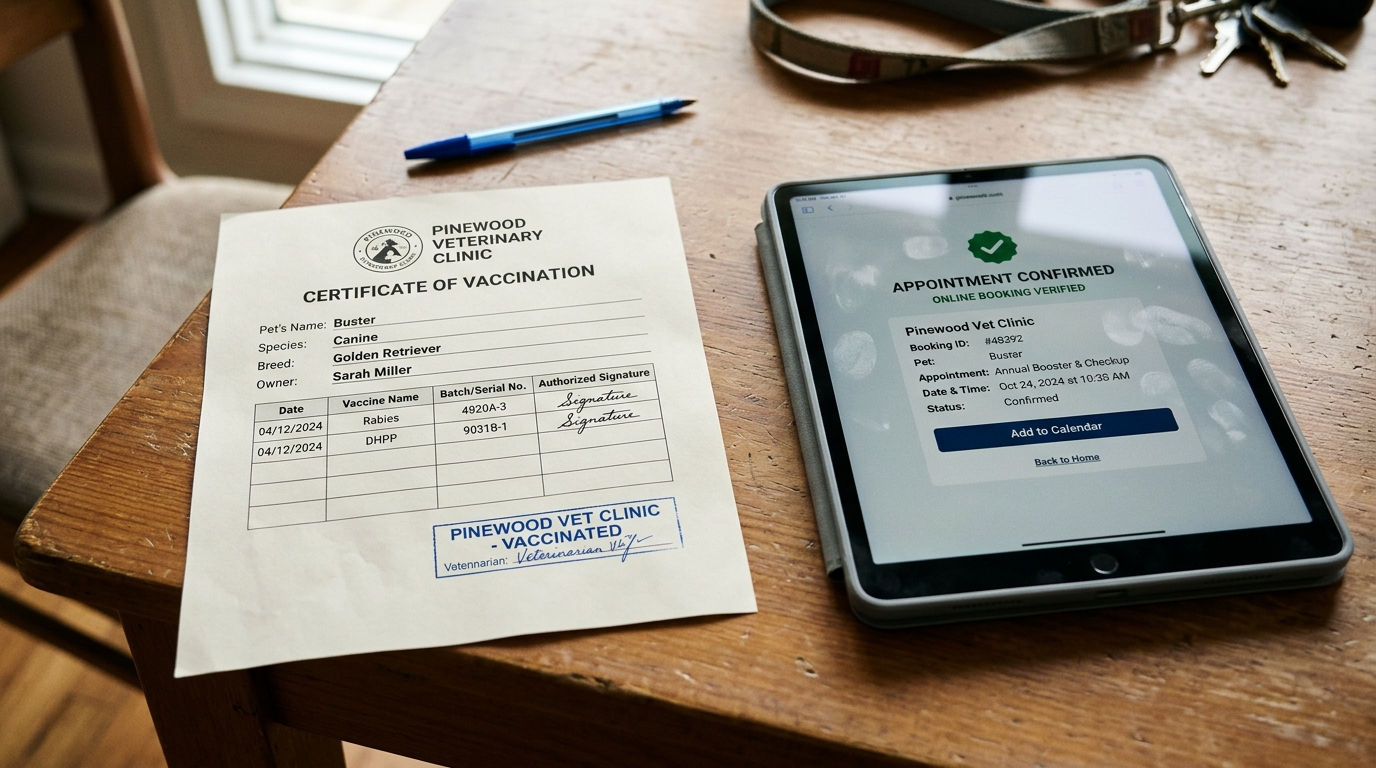
Handle vaccination-related intake accurately without collecting more information than necessary.
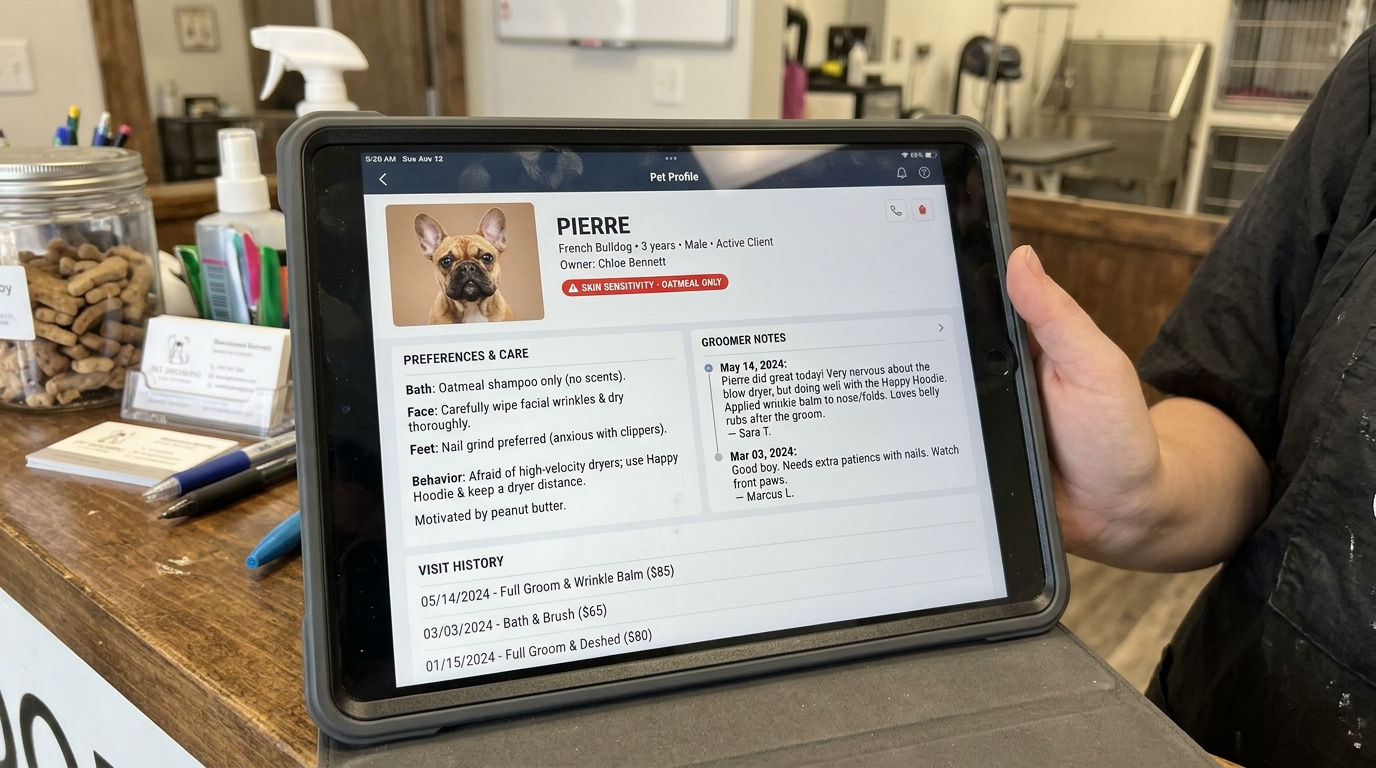
Build useful pet records that improve future appointments without becoming a data burden.
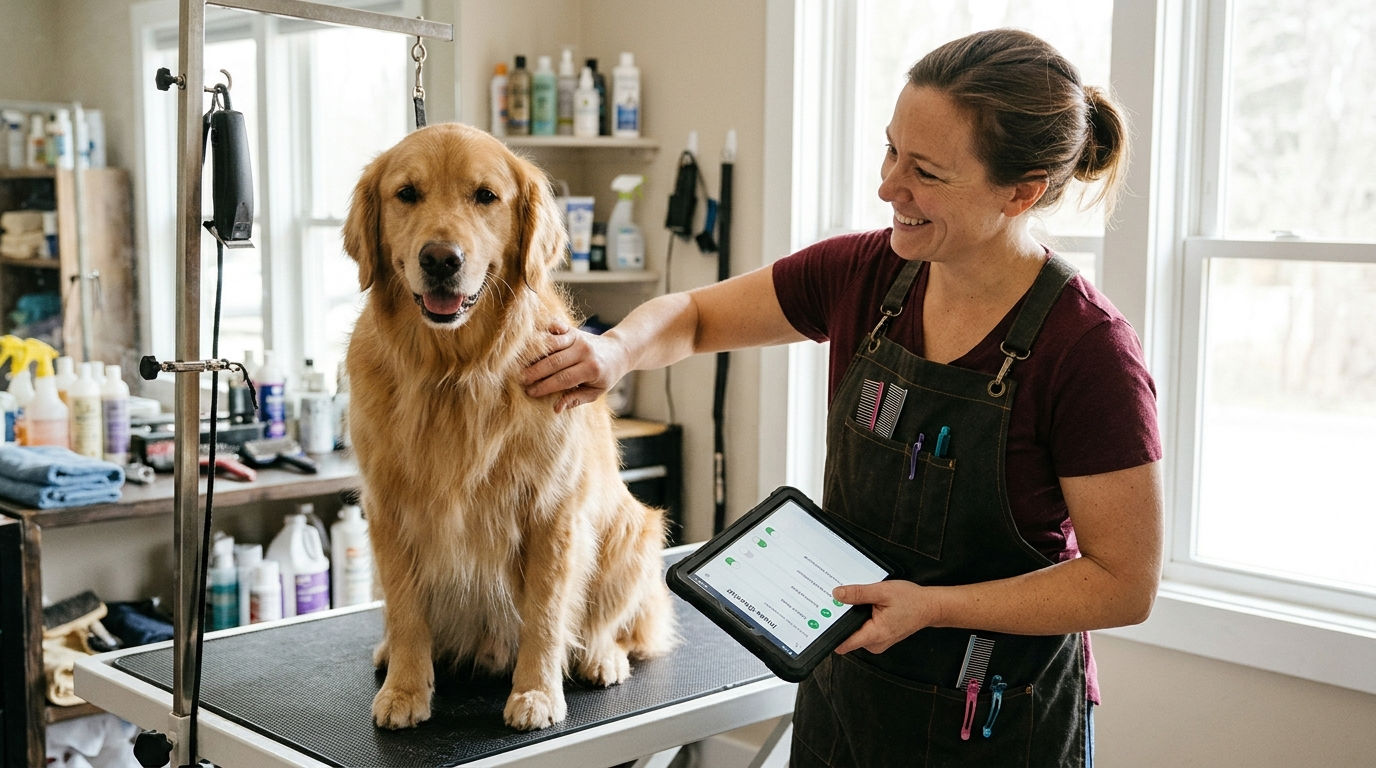
Talk about coat concerns respectfully before booking an appropriate grooming visit.
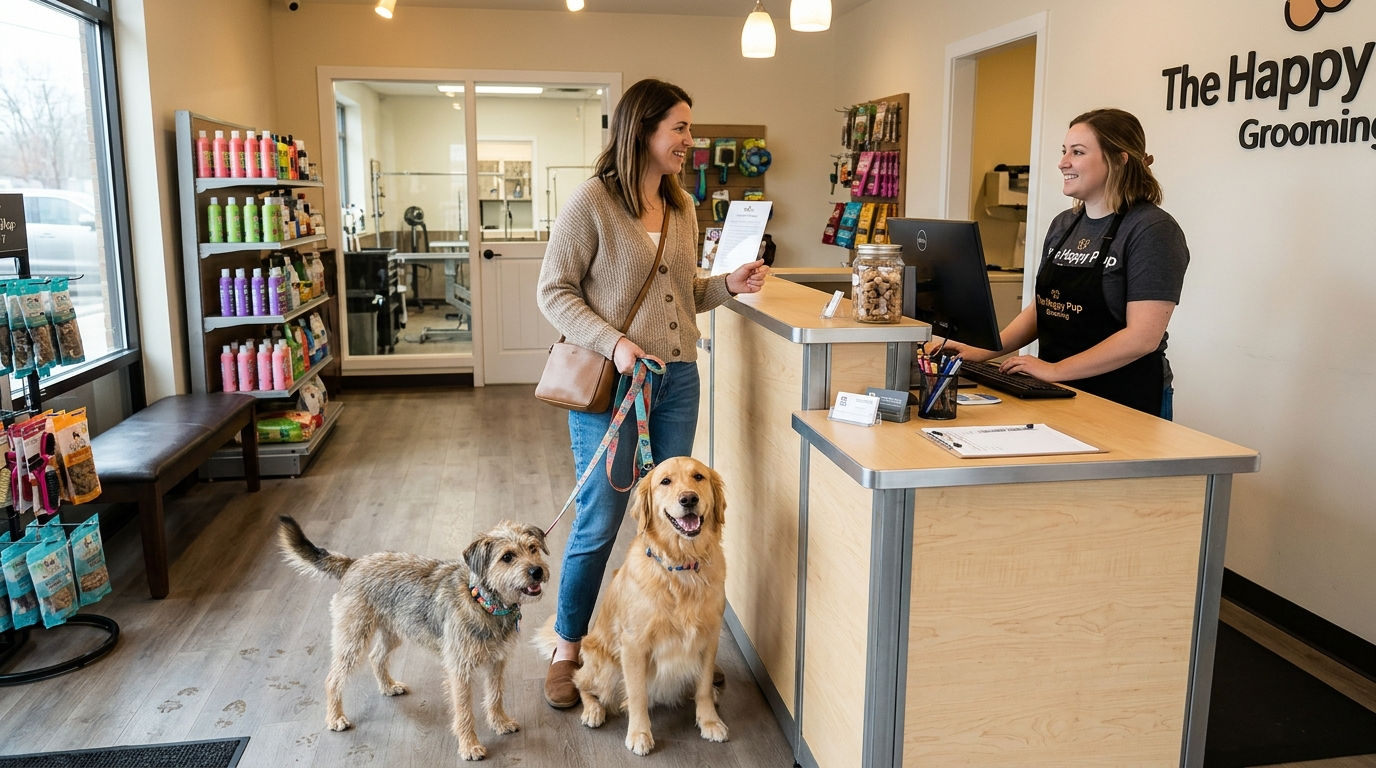
Organise multi-dog bookings without mixing up profiles, services, times or payments.
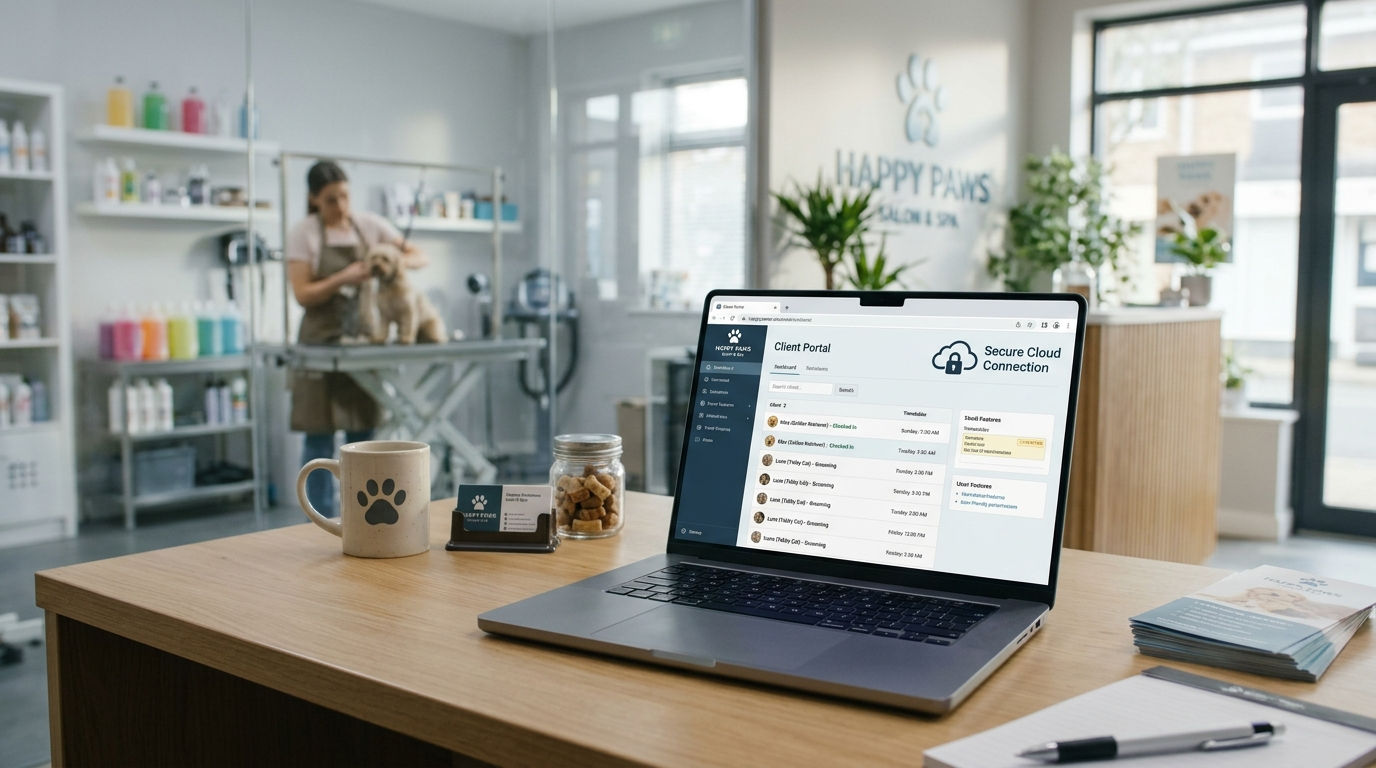
Reduce privacy risks when collecting bookings, pet notes, messages and customer contact information.
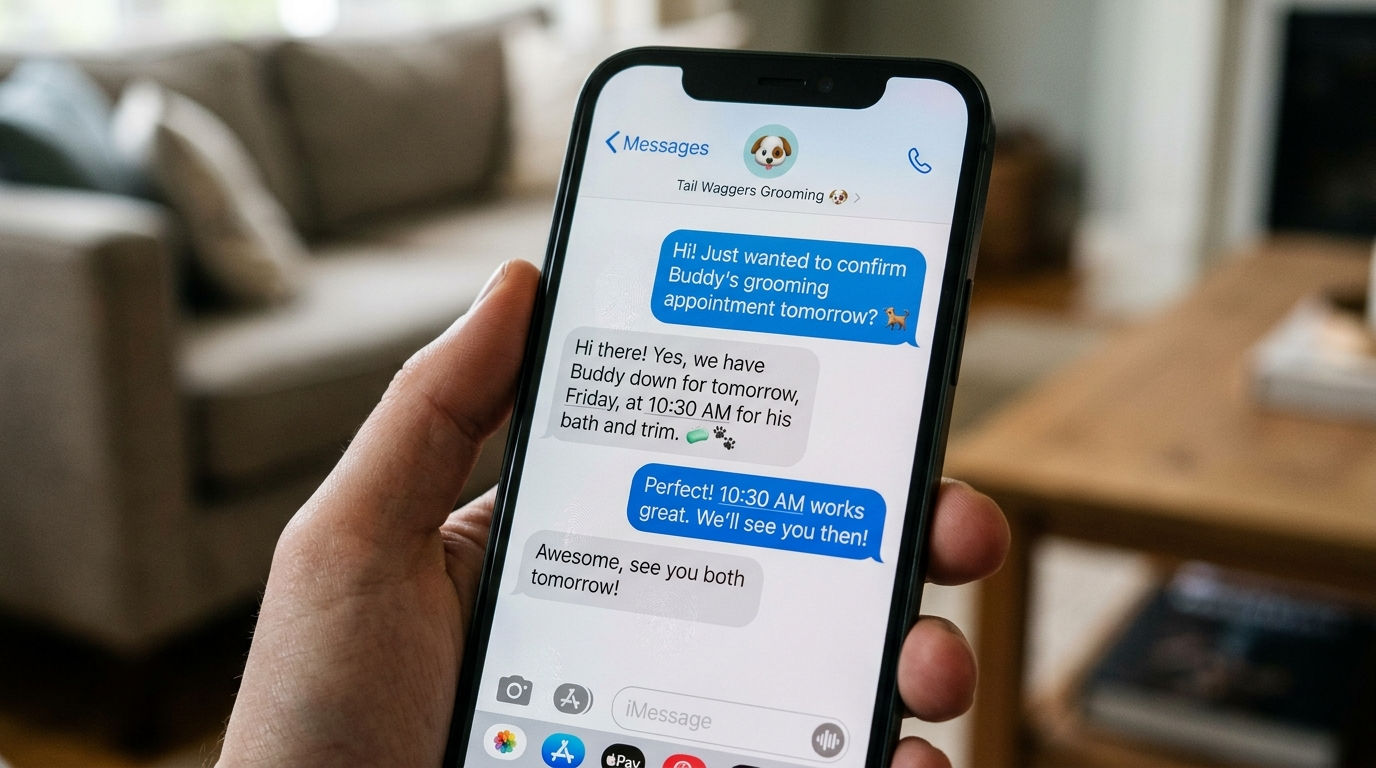
Create reminder messages that are clear, personable and useful rather than repetitive.
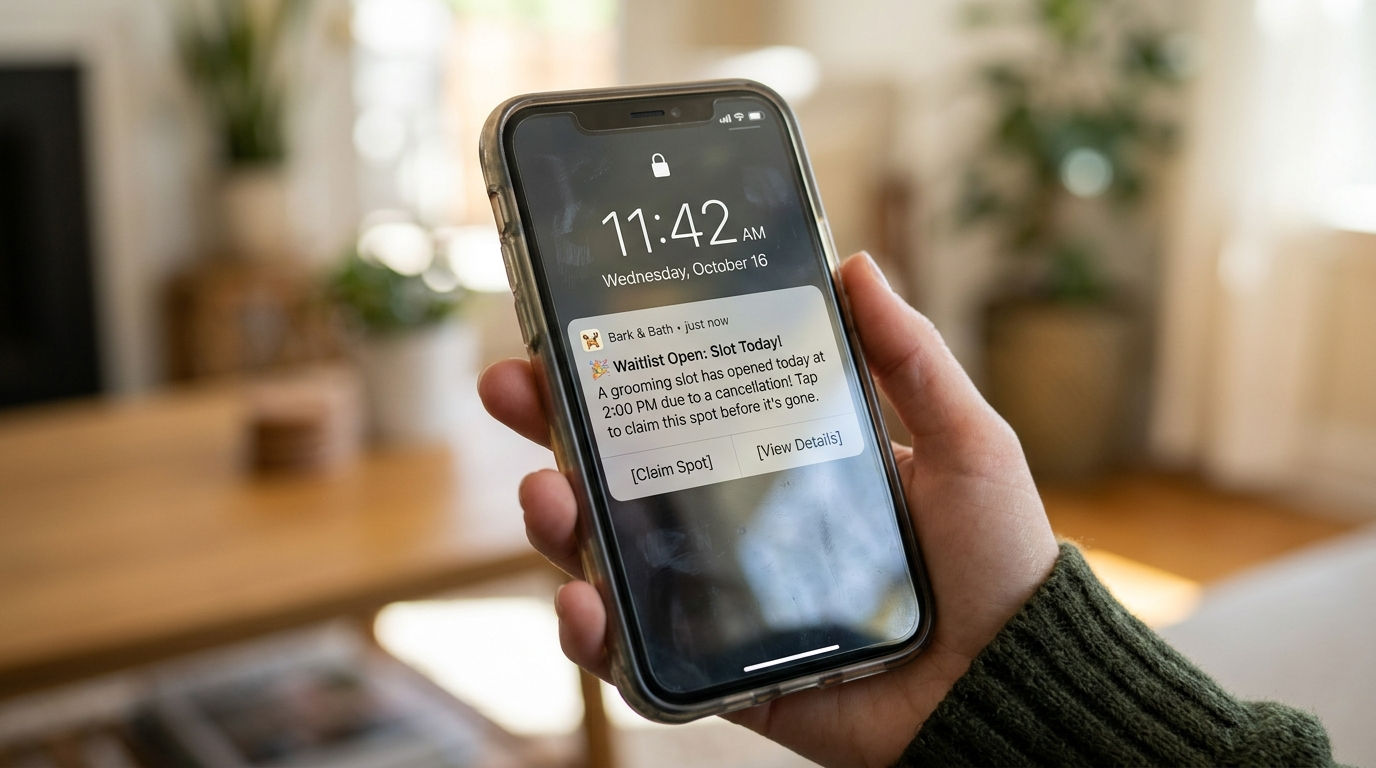
Find a useful reminder schedule based on client behaviour, booking rules and notice windows.
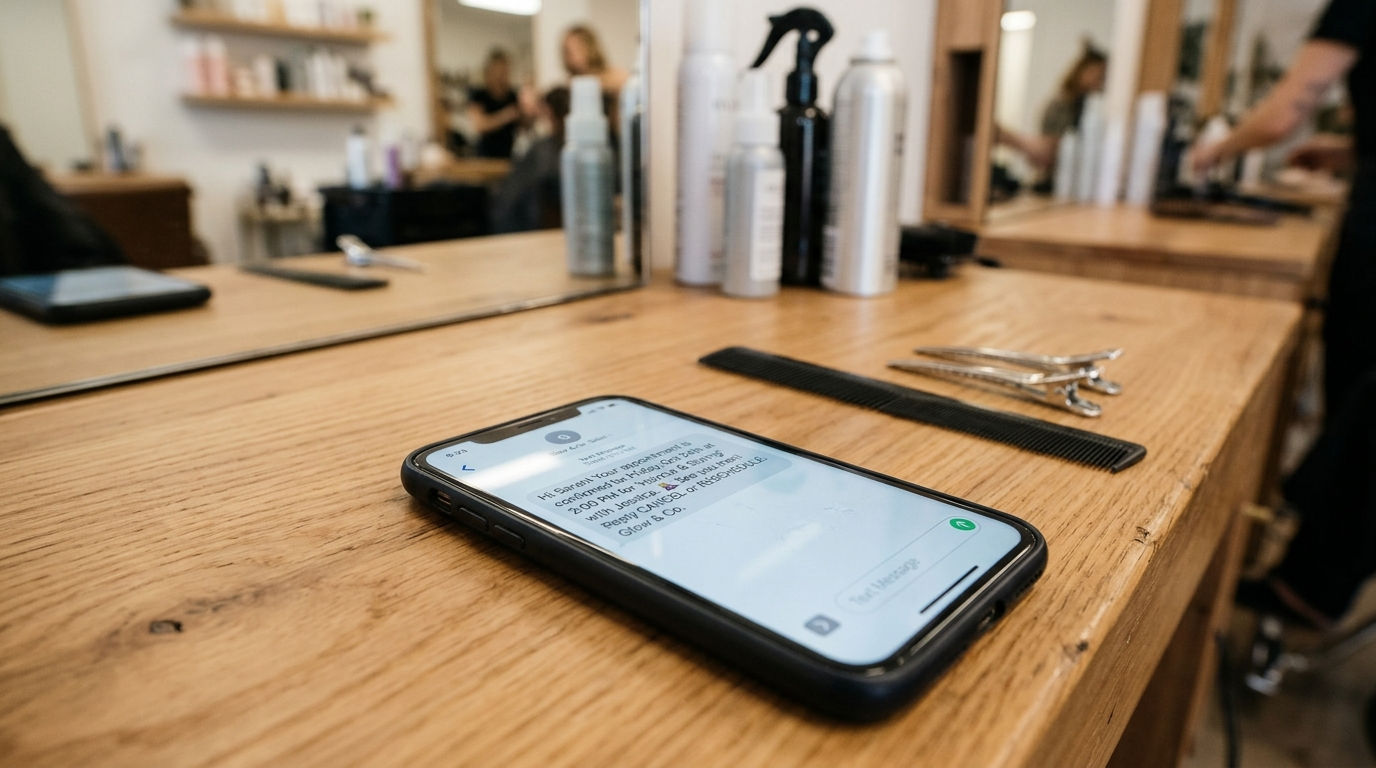
Use SMS and email together without duplicating, contradicting or losing important booking details.
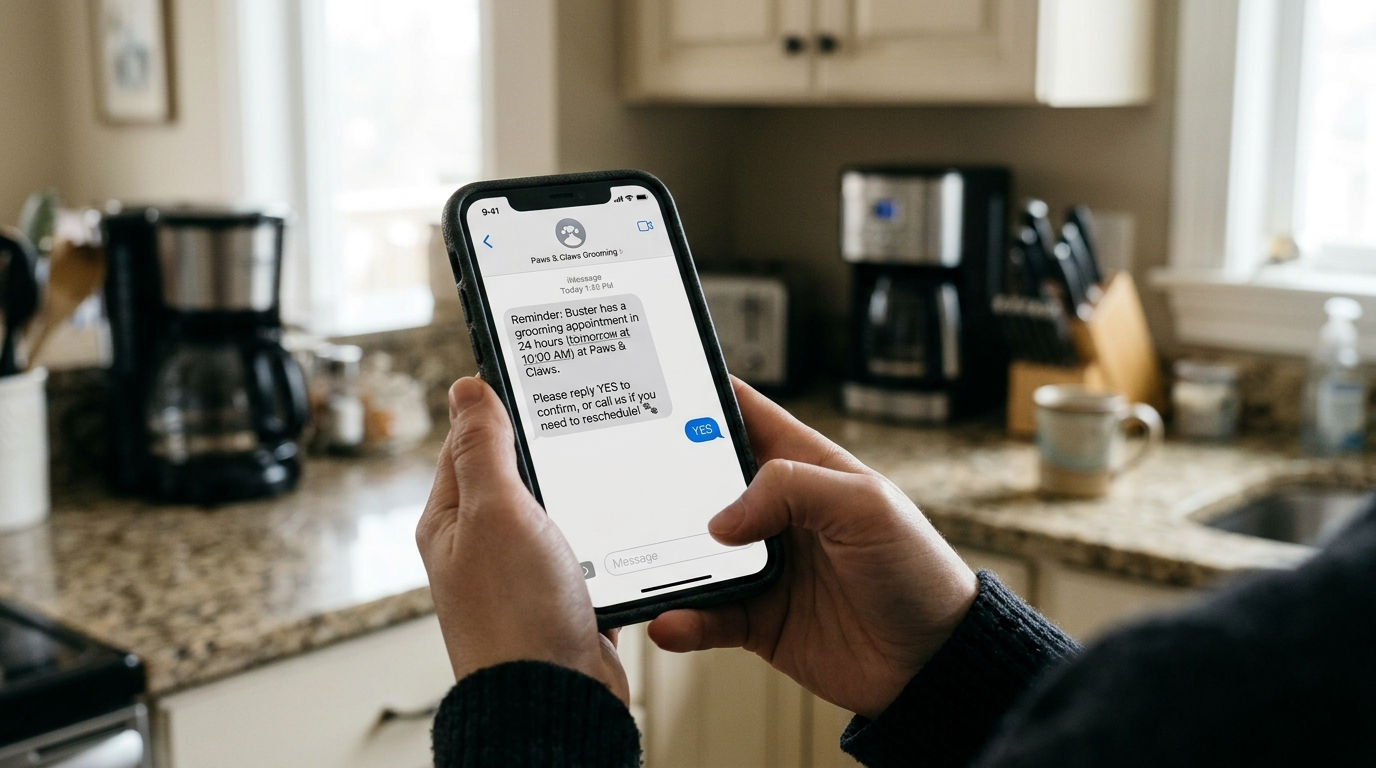
Use fair, clear late-arrival communication without creating unrealistic promises or rushed grooms.
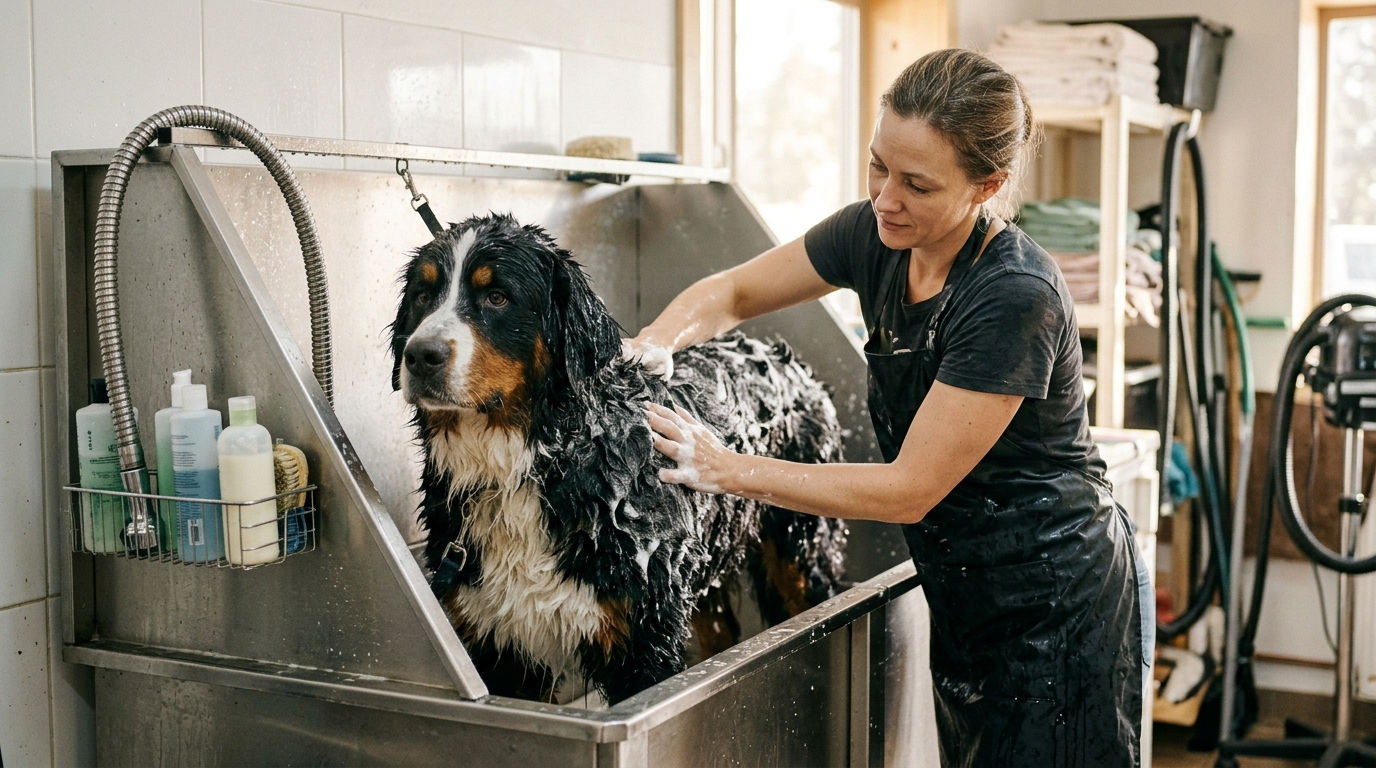
Create useful post-grooming communication that feels supportive rather than sales-heavy.
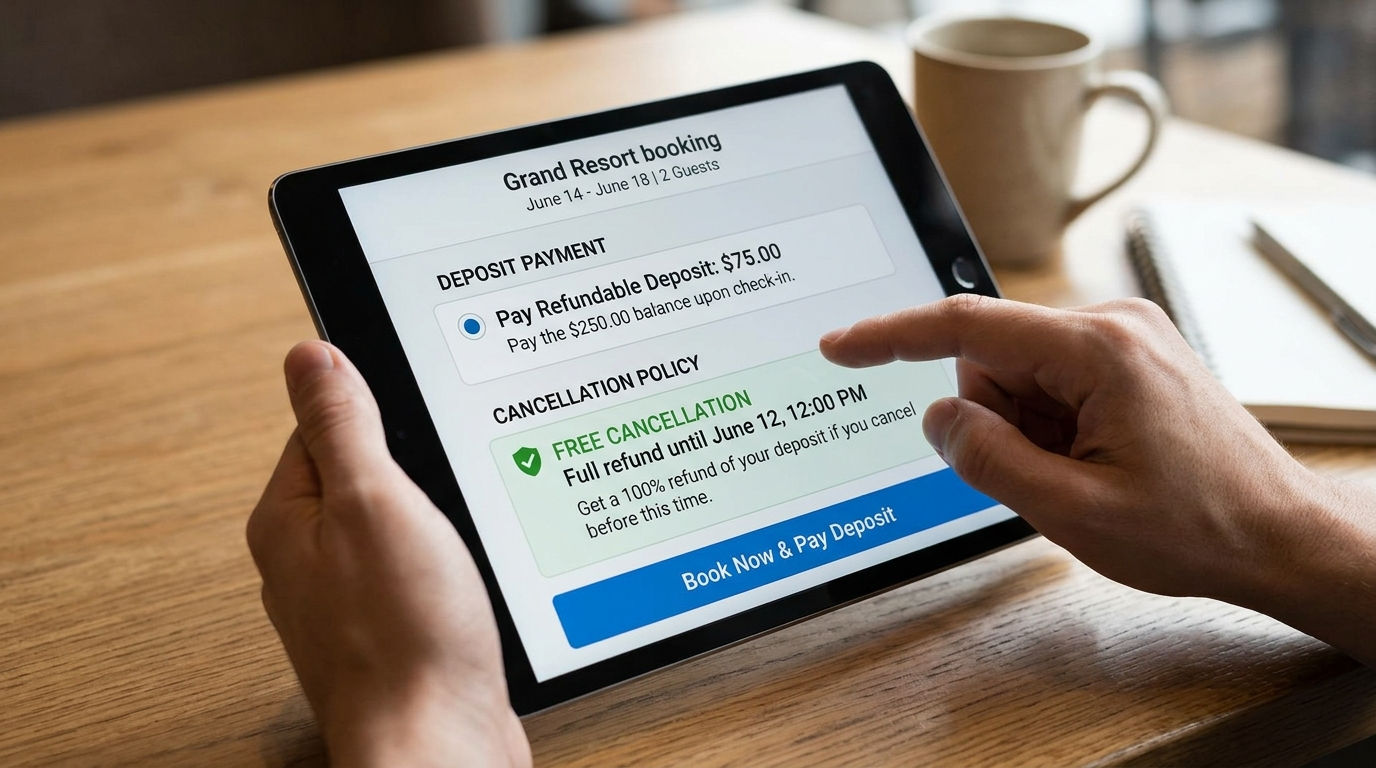
Make fees, deadlines and booking conditions clear before clients commit.
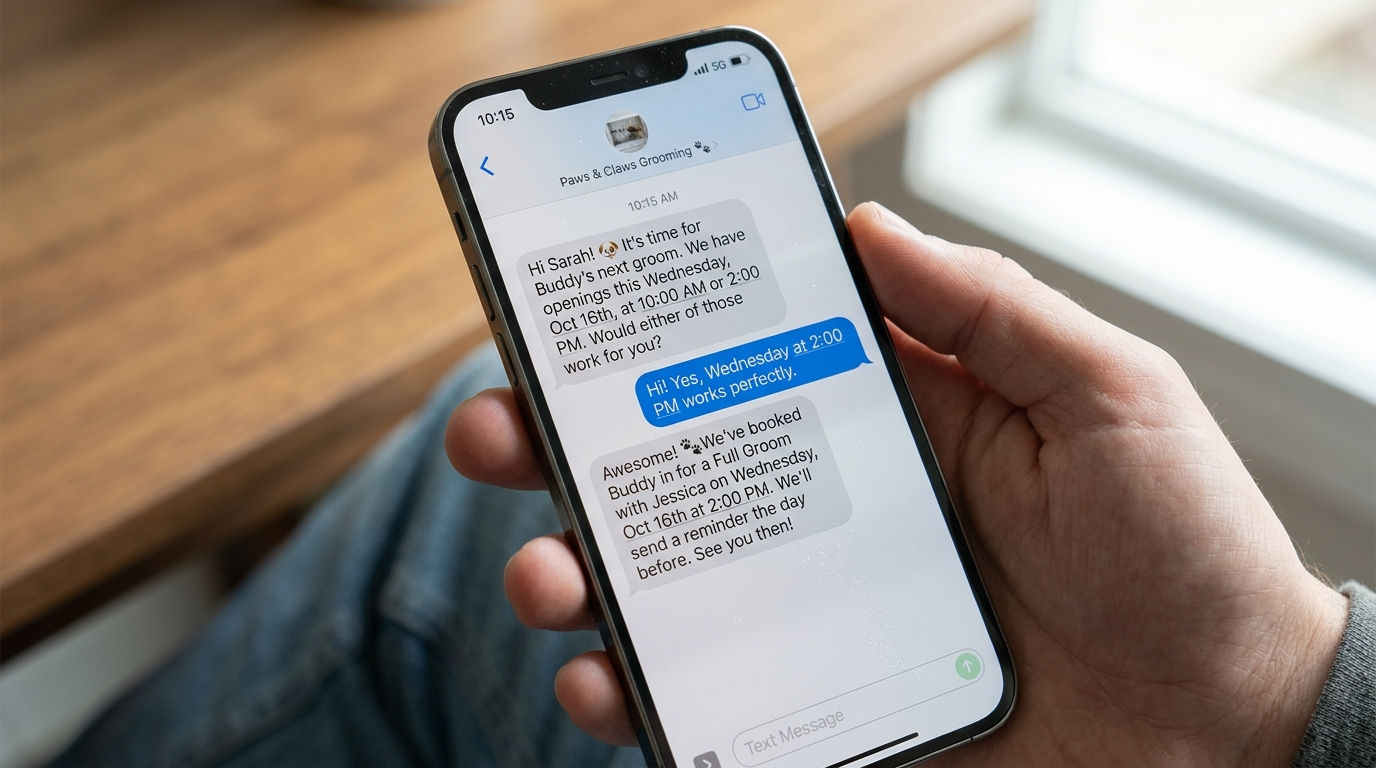
Turn appointment texts into a reliable conversation, with clear replies and human fallback.
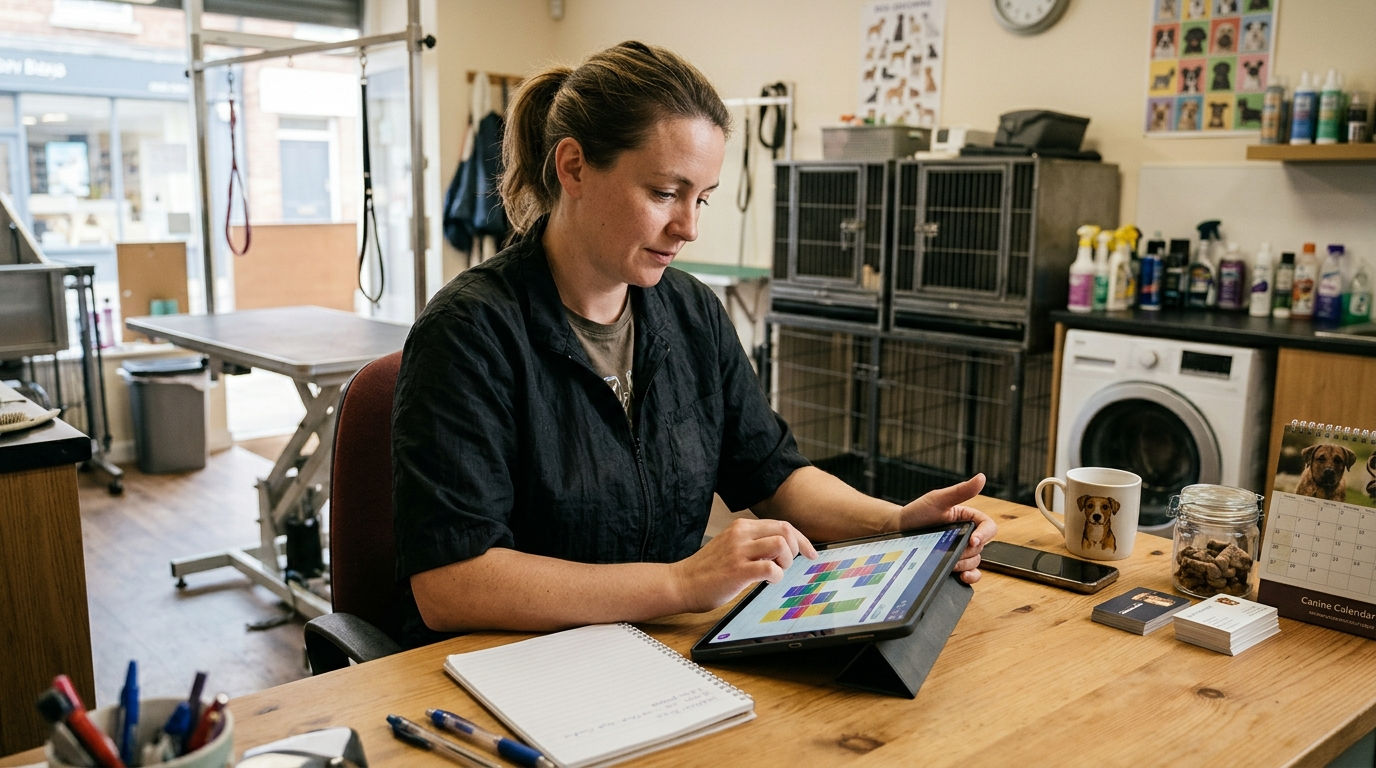
Evaluate booking assistants using service fit, controls, integration and actual cost.
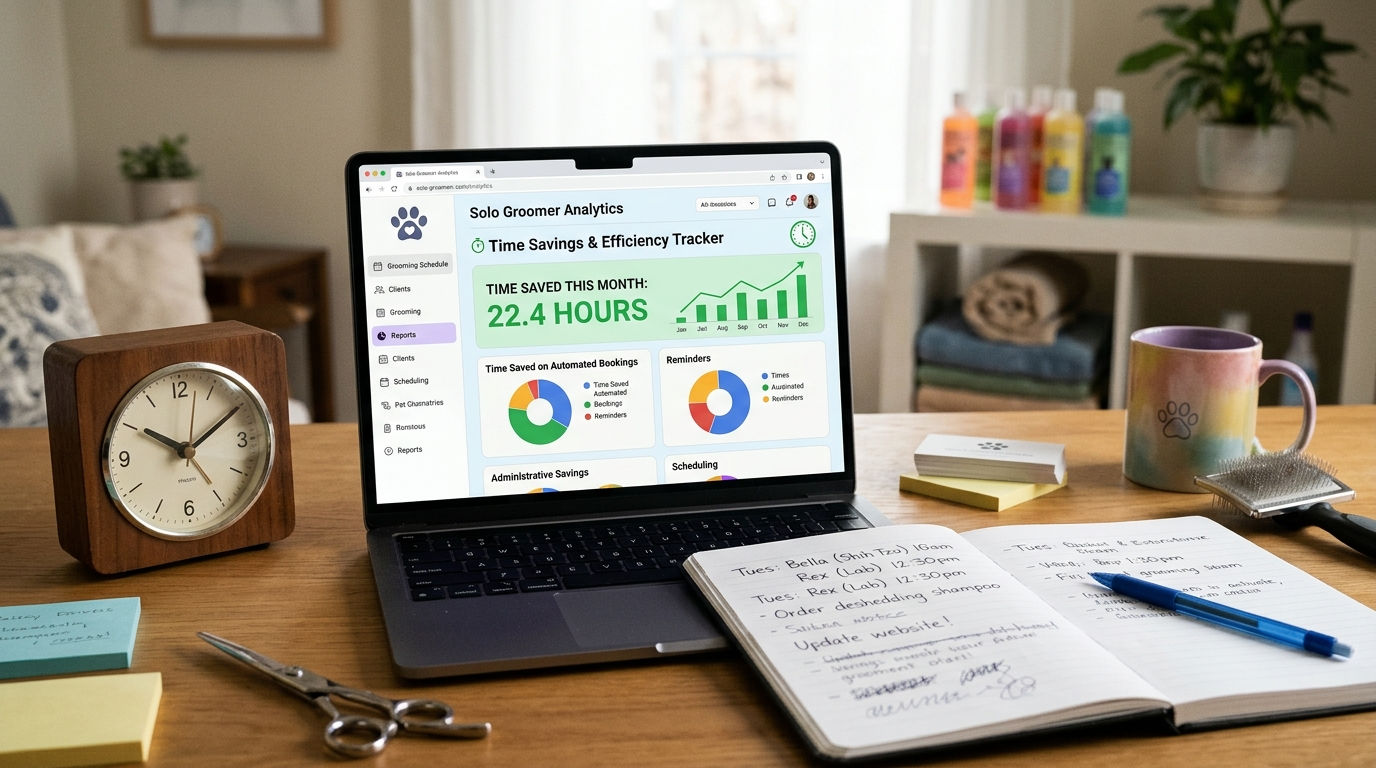
Estimate time saved after setup, monitoring, corrections and real booking outcomes.
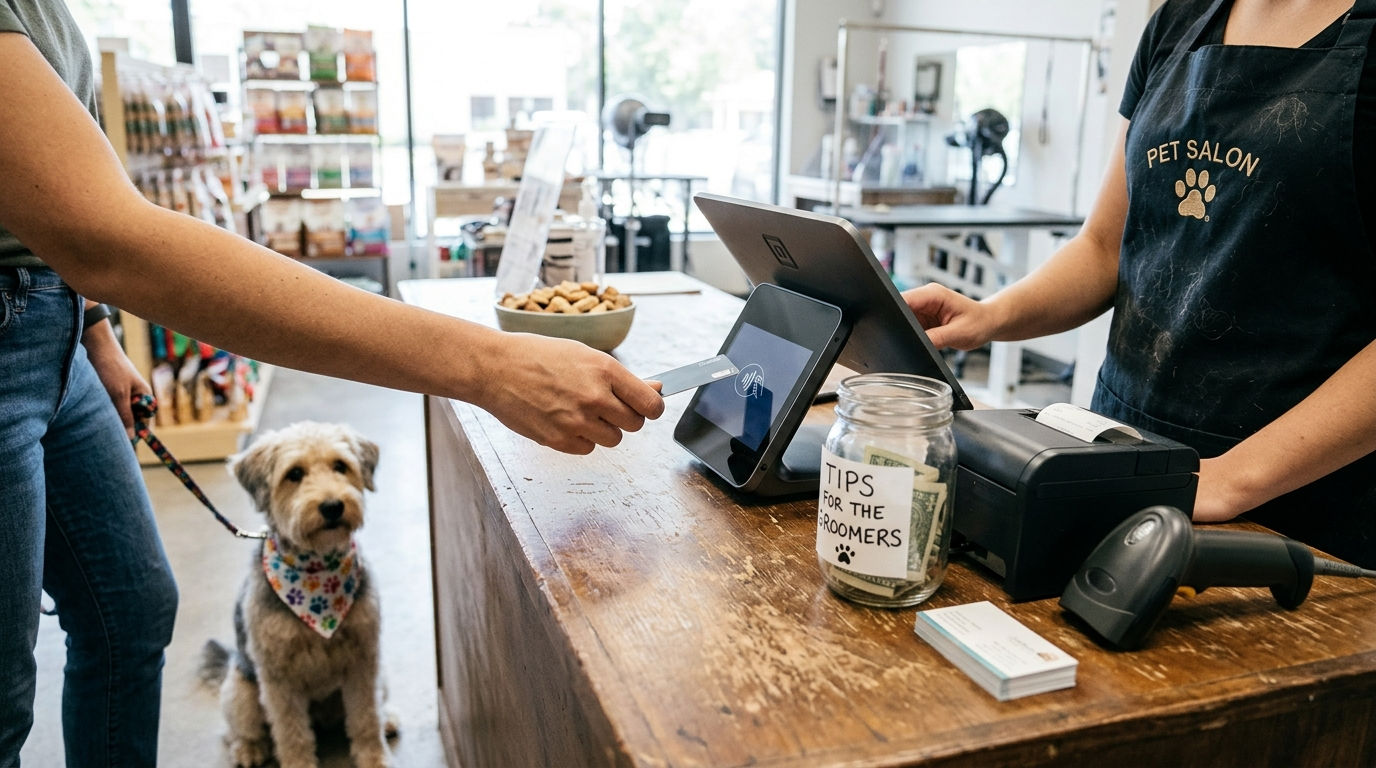
Link booking and deposit payments safely without creating mismatched records.

Use calendar patterns to improve capacity planning, not just create attractive dashboards.
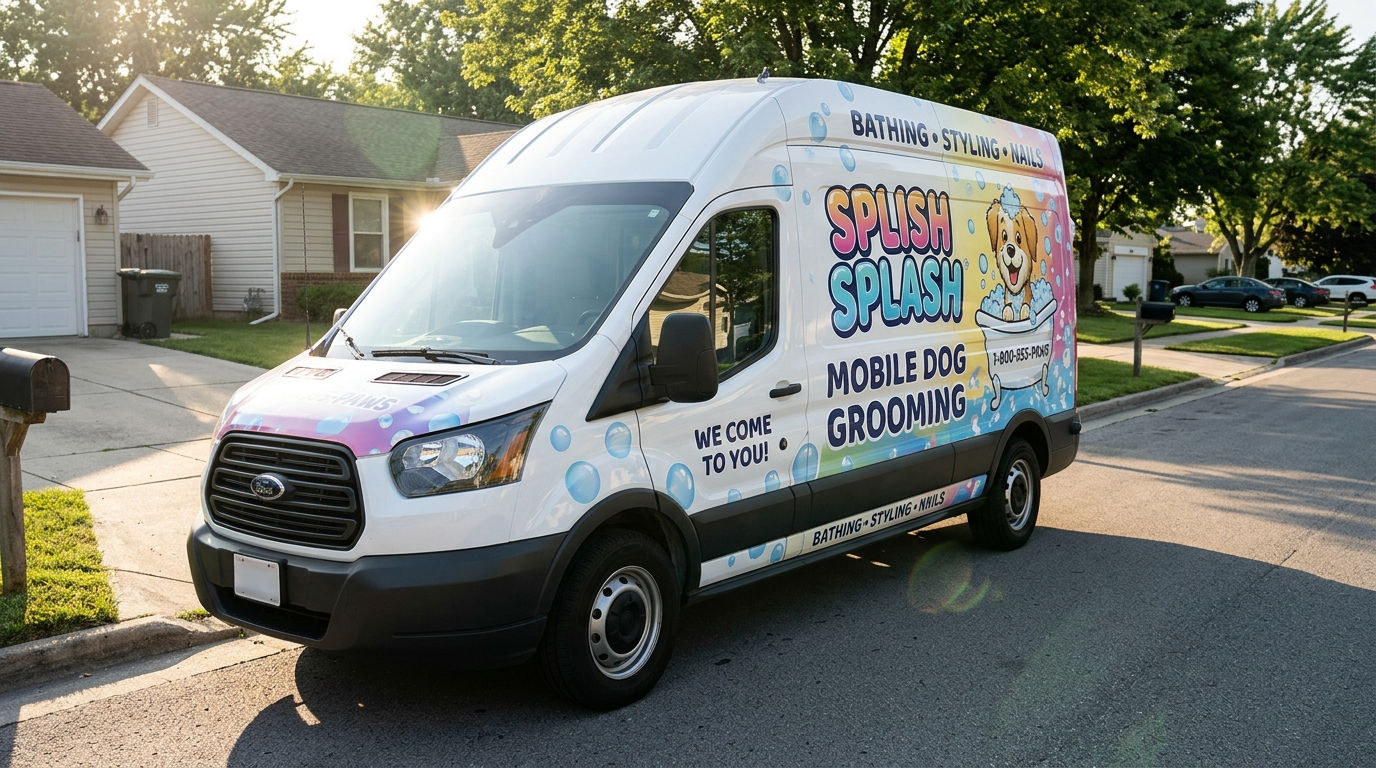
Build booking rules around travel, access, setup and realistic daily routes.
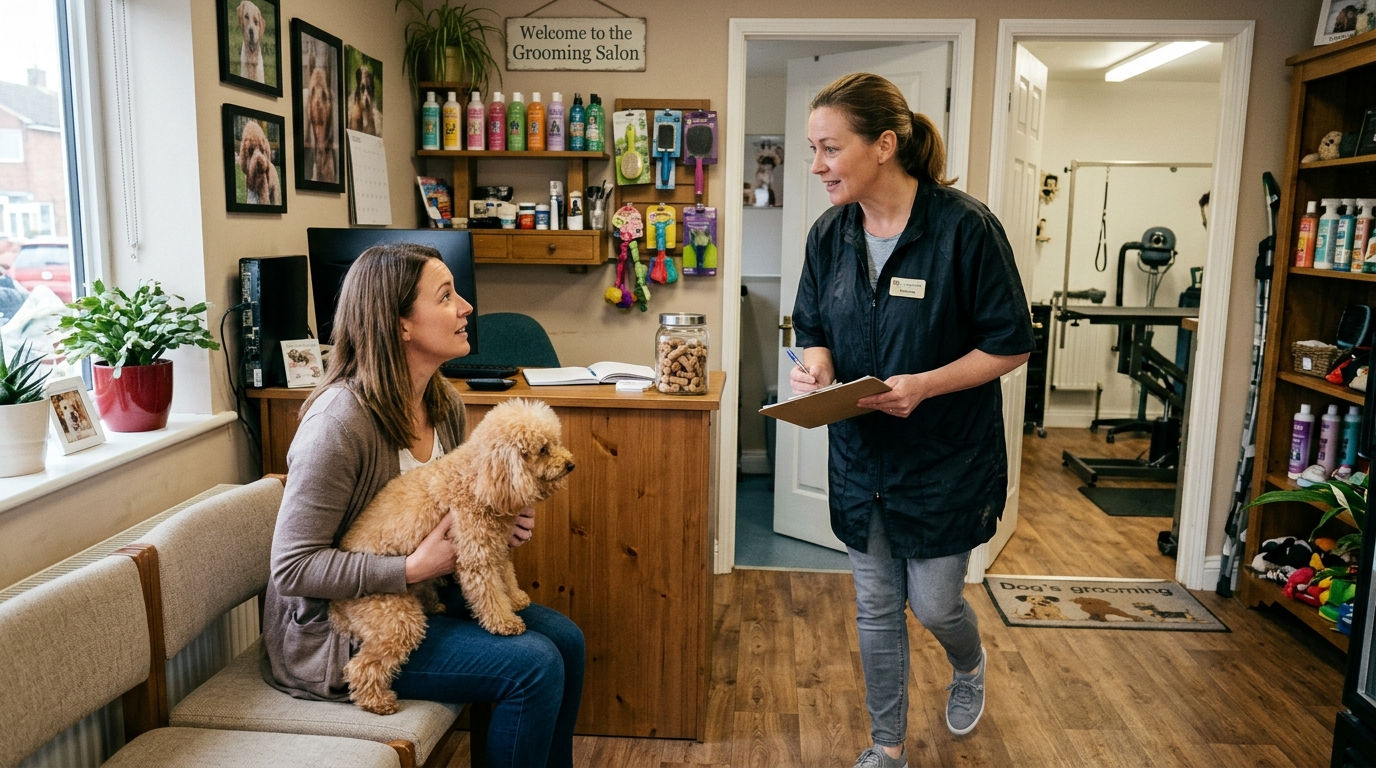
Preserve the trust-building moments while delegating repetitive booking tasks.

Adopt AI booking in small, testable stages without disrupting clients or calendar control.
Try a different phrase or choose another topic.