The first appointment involves more uncertainty than a routine return visit. The groomer needs enough context to plan appropriate time, discuss handling needs and set expectations, but the owner should not have to complete a sprawling questionnaire before receiving an answer.
A useful intake process asks only what matters to the booking decision and creates a record the groomer can actually consult.
Start with the essential identity details
The booking record should clearly connect an owner and contact method to the correct dog, especially in homes with several pets. Avoid collecting excessive personal information such as unrelated household details merely because a form has space for it.
A family asks to bring “the younger spaniel” while two dogs share similar names and the same phone number. Record the owner's preferred contact details and the dog's name, approximate size, breed or coat description, and first-visit status.
Ask what the owner expects from the service
“Full groom” can mean different things to different people, so the desired result and the booked service need to be reconciled before arrival. An owner expects a short summer clip but selects a basic wash-and-brush service from the booking menu.
Give examples of service scope, ask about coat and trim preferences, and note when final suitability depends on assessment. Never guarantee a particular finish or price without understanding the coat and the dog's tolerance for the work.
Understand previous grooming experience
A rescue dog has never visited a salon and may need a quieter introductory appointment rather than a busy afternoon slot. Past visits can reveal whether a dog is comfortable with clippers, dryers, strangers and different handling positions.
A behavioural label supplied by an owner should start a conversation rather than become a permanent unsupported diagnosis. Ask when and where the last groom happened, what went well and whether anything was difficult, using neutral nonjudgemental language.
Capture coat maintenance and visible concerns
Ask simple coat questions, offer optional photographs if your privacy process supports them and explain that assessment happens in person. Time since the previous groom, home brushing and reported tangles can influence appointment length and the initial conversation with the owner.
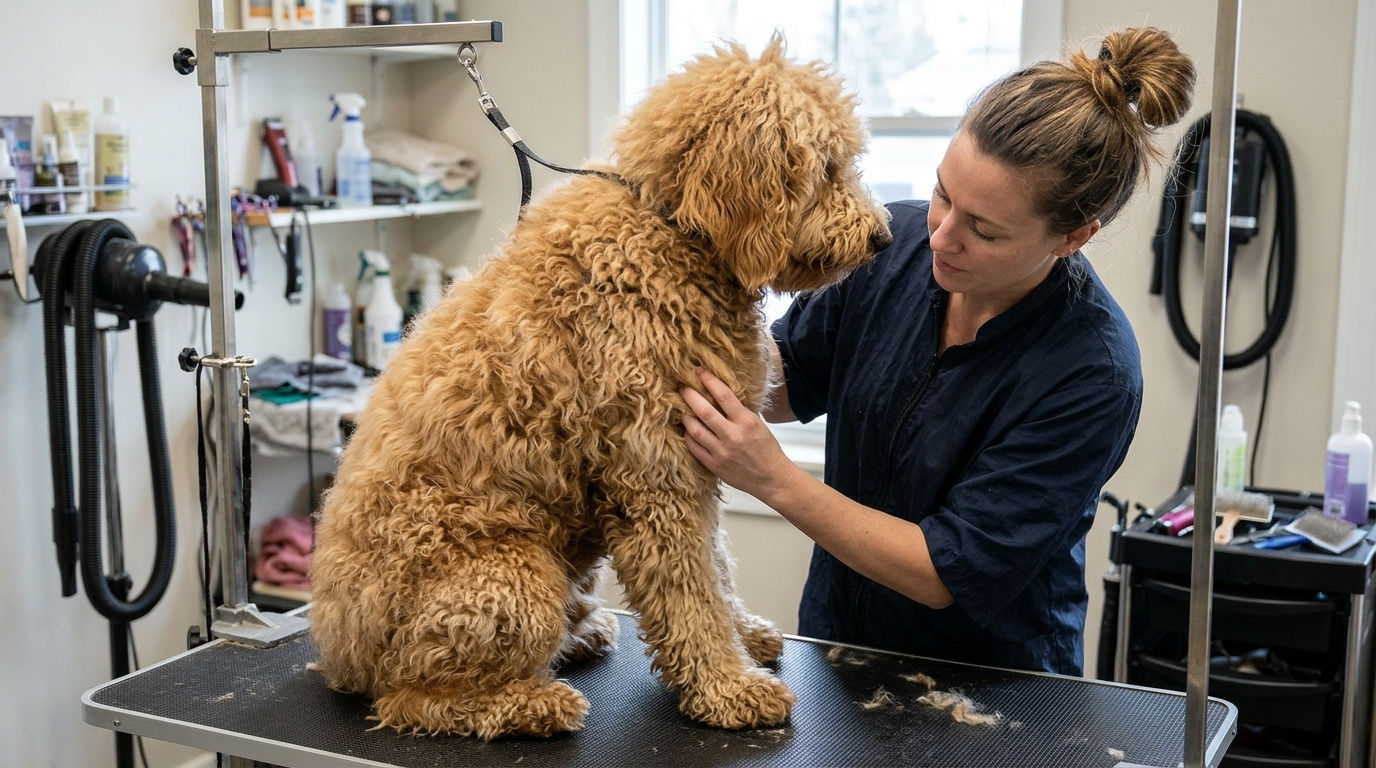
A dog appears tidy in a profile picture, but the owner mentions dense knots behind the ears and under the harness. Automated intake must not promise that dematting or clipping is appropriate before a groomer examines the dog.
Note health and mobility information sensitively
Relevant information may change how the appointment is approached, but a grooming salon does not need a complete veterinary file for an ordinary booking. Invite details that affect safe handling, discuss them with the groomer and ask the owner to seek veterinary advice when the issue warrants it.
Do not infer medical fitness to groom from an unchecked box or store sensitive notes indefinitely without purpose. An older dog has difficulty standing for long periods and the owner worries about a previous stressful session.
Explain the practical arrangements
Arrival, collection, pricing approach, cancellation rules and contact preferences are part of a good first appointment, not administrative trivia. A lengthy legal notice cannot replace a short, readable confirmation of the information the client actually needs.
A first-time owner assumes they can stay throughout the groom when the salon operates by prearranged drop-off and collection. Send clear directions, expected appointment window, any required items and how the owner will be contacted if the service plan changes.
Create a profile that staff can use
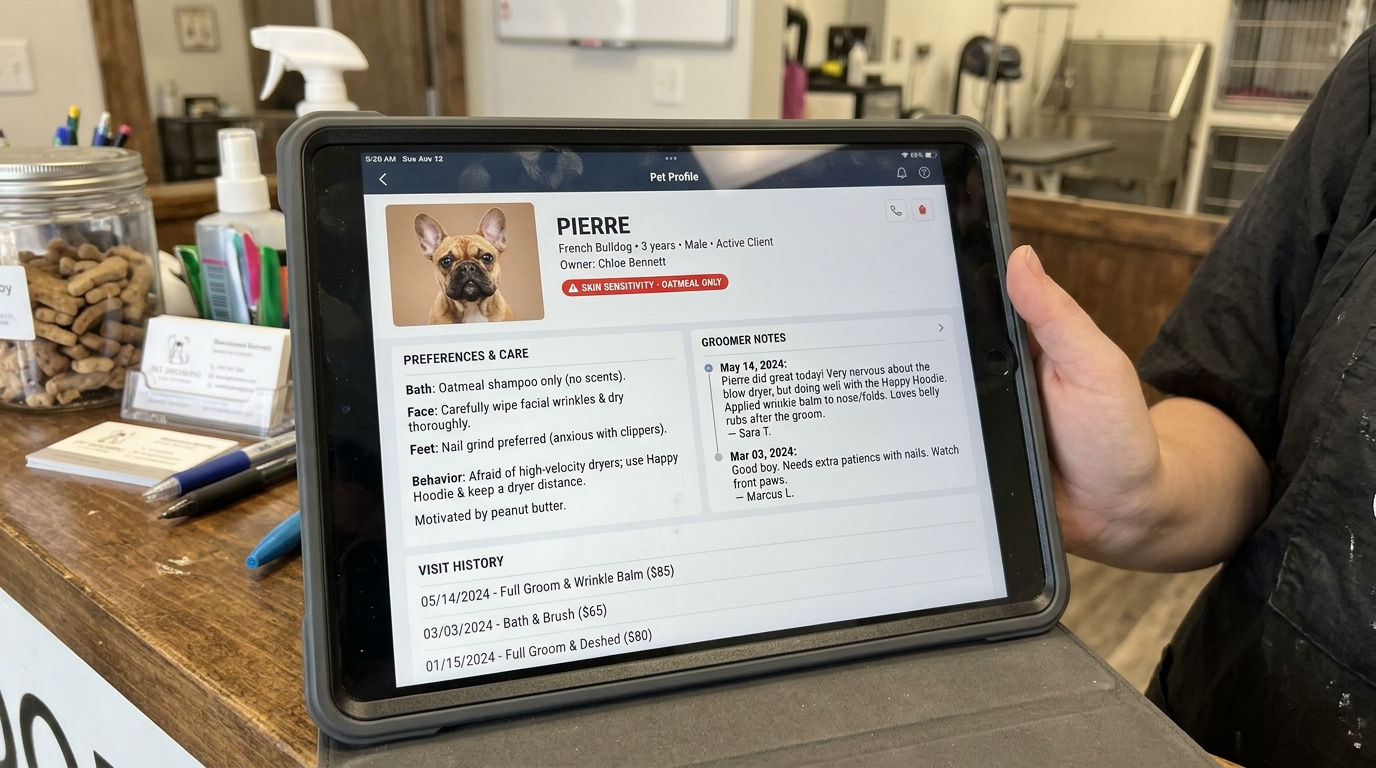
Intake should produce an accessible summary rather than an unreadable form stored in an inbox. A groomer begins work without seeing a note that the dog dislikes a high-velocity dryer because it was hidden near the bottom of a long submission.
Surface key handling, coat and appointment notes prominently, limit access to people who need them and confirm important details at check-in. Poor data organisation can be worse than not collecting the detail because it creates an illusion that the team is informed.
Those observations become more useful over time when recorded as dog profiles for repeat visits.
Update the record after the visit
The dog settles well after a quiet introduction but needs a longer drying period than the booked service allowed. A first-visit profile is a starting point; observations from the appointment often matter more for future bookings than the initial guesses.
Do not convert one difficult day into a permanent judgement without context or without allowing the information to be revised. Record practical findings, correct inaccuracies with the owner and set an appropriate next-booking duration for that specific dog.
Make the first form short enough to finish
The first visit involves more uncertainty than a routine repeat groom, but a long intake form is not automatically a better one. Begin with the information required to identify the dog and plan a sensible appointment: owner contact details, dog's name, breed or approximate size, age, requested service and a few relevant coat and behaviour questions. Explain why a disclosure matters rather than listing every possible problem. “Has anything made grooming difficult or uncomfortable for your dog before?” can invite a more useful answer than a row of unexplained yes/no boxes.
A customer may not know whether their dog's coat is matted or simply tangled. Offer a “not sure” response and a route to send a photograph or discuss the coat with the groomer when necessary. Do not ask the owner to diagnose a condition or promise that a photo determines the final price. The form should help decide whether the visit can follow a standard length or needs a conversation first. For some dogs, the safest answer is to review suitability before offering a firm time.
Treat each piece of information as something that must be maintained
Pet records are valuable only when they remain recognisable and current. A dog may change medication, mobility, coat length or behaviour between appointments. Rather than copying every answer into each new booking, save appropriate stable details and invite owners to report relevant changes. Mark uncertain information as owner-reported rather than an established professional assessment. If the groomer notices an important difference at the visit, give them a simple way to correct the record, including when a previous note is no longer accurate.
Avoid combining several dogs into one undifferentiated profile because they belong to the same household. Each animal may require a different duration, handling approach or grooming schedule. Household contact details can be shared where appropriate, but coat and behaviour notes need to remain attached to the correct dog. Confirm the intended dog in appointment messages; a text that merely says “your grooming appointment” can be ambiguous to someone booking two pets.
Decide who is allowed to read sensitive notes
A first-visit form may include veterinary information, medication details, behaviour concerns and owner contact information. Collect only what the salon needs for a legitimate operational reason, limit access and choose storage that is proportionate to the sensitivity of the data. Do not ask for medical records or documents merely because the software supports file uploads. Provide a clear privacy explanation, including who handles enquiries and how clients can ask for corrections. Messages displayed on a phone lock screen should not include sensitive pet notes.
If the booking platform offers optional fields, resist using them all. Each extra question creates maintenance work and a possible privacy obligation. Decide which information should appear in the day-of-appointment view, which should be available only to the groomer and which need not be retained at all. Printed forms and screenshot-filled message threads deserve the same care as a cloud database. A polished digital form is not a substitute for sensible access practices.
Finish with a useful next step
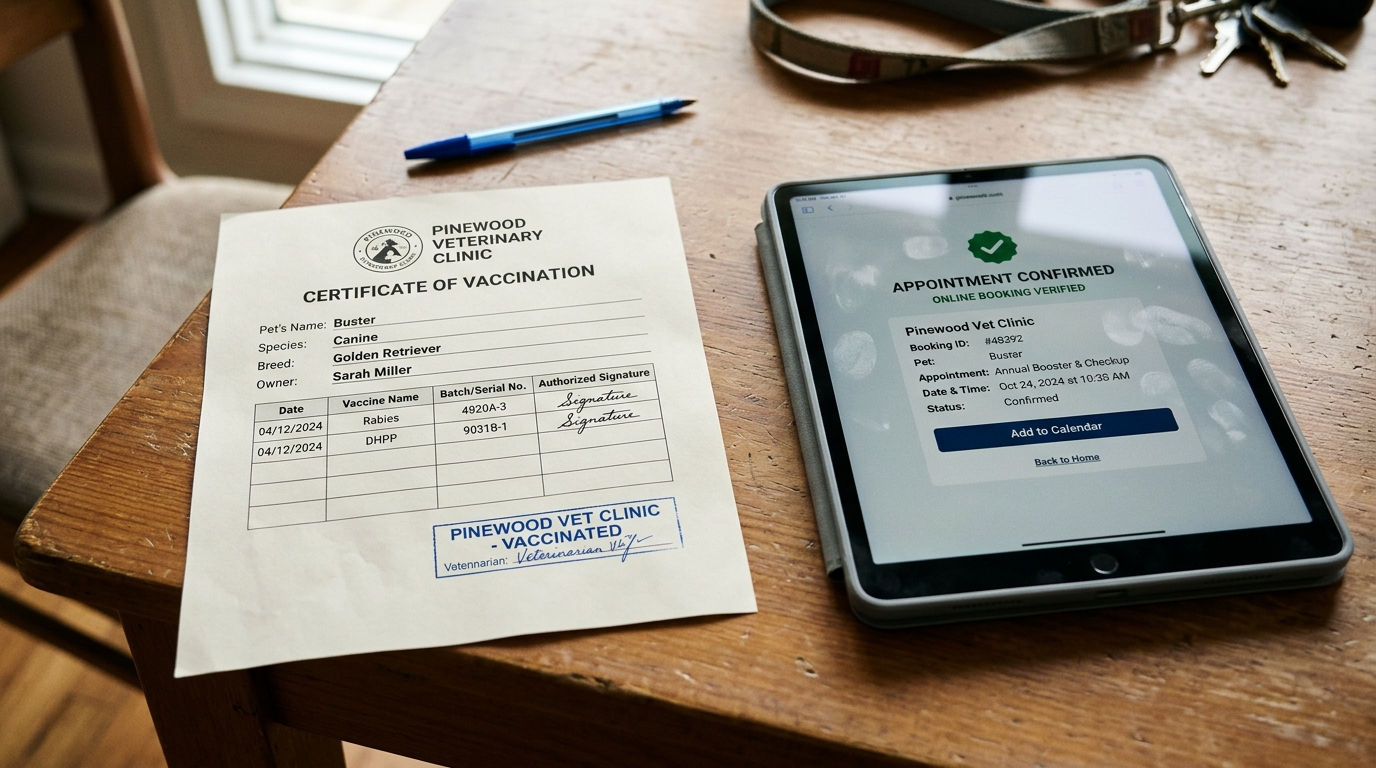
After submission, tell the owner what happens next. If the service and duration are clear and the calendar can confirm the slot, provide a real booking confirmation. If the groomer needs to assess the coat or discuss a handling concern, say that the request is pending review and give a realistic contact window. Do not display “booking complete” just because all form fields were filled. The form has succeeded when the customer understands their status and the groomer has the information necessary to prepare without having to ask everything again.
A useful first-visit confirmation
When the owner submits the form, summarise the service requested and any issue that still needs discussion. A message might say, “Thanks for telling us about Luna. We have your request for a first full groom; because you mentioned difficulty brushing around her ears, the groomer will review the appointment length before confirming a time.” That acknowledges the information without treating it as a diagnosis or making a promise about the dog's coat. The owner should also know how to correct the details if the form was completed on a small phone and a field was entered incorrectly.
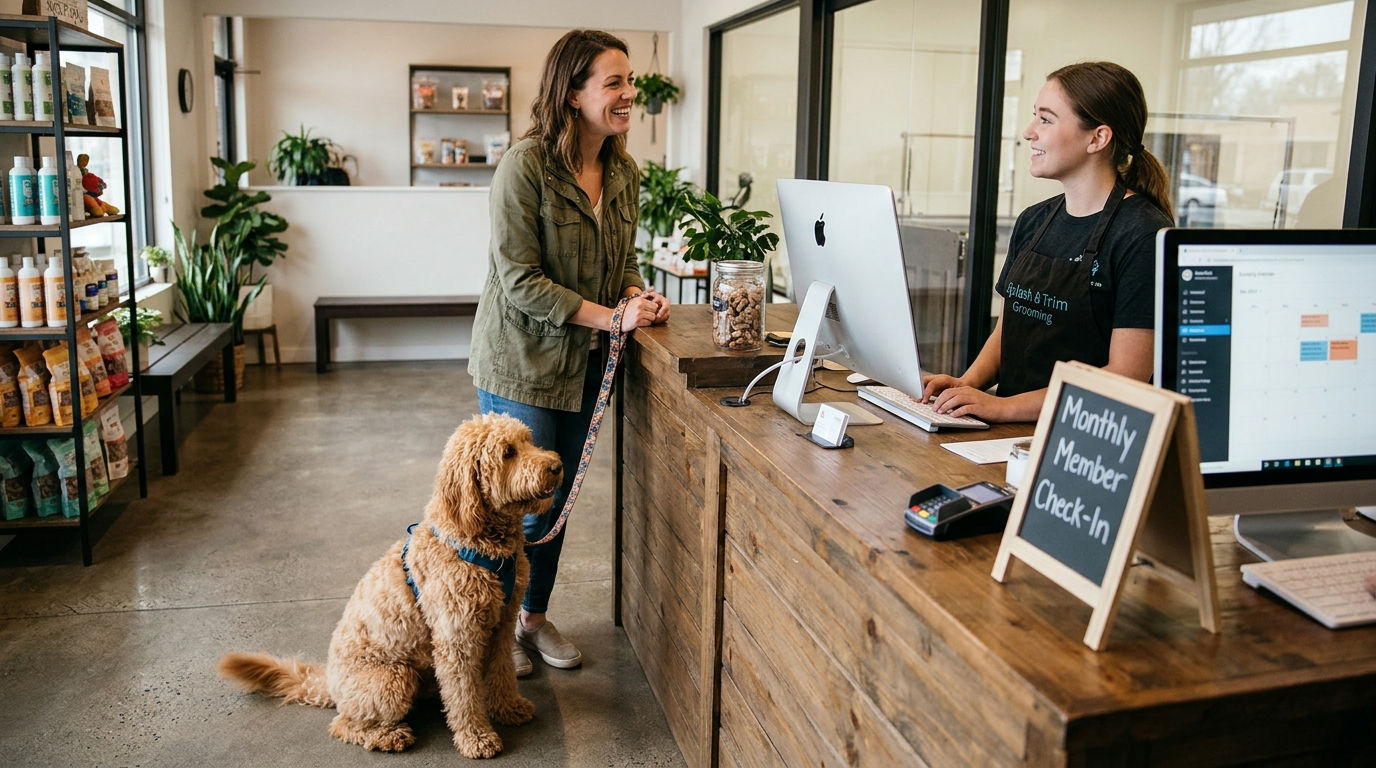
At check-in, the groomer can quickly confirm whether the details remain accurate and explain the plan for the day. If the record says the dog dislikes nail handling, that need not determine the entire visit; it is a prompt for a careful conversation. After grooming, update only the observations that matter for future appointments. This closes the loop between intake, professional assessment and the next booking instead of leaving the initial form as an unchanging archive. When the process works, owners give relevant information once and see it used thoughtfully.
Test a first-visit form with a new owner
- Check that required questions identify the pet, service and relevant handling needs without overwhelming the owner.
- Show that an uncertain answer can be flagged for a call rather than treated as a definite fact.
- Check that the confirmation restates what was requested without implying the dog has already been assessed.
Official background reading for Collecting Pet Details Before the First Grooming Visit
Ask what helps you care for this dog
A thoughtful first-visit intake asks enough to prepare without pretending the form can replace the groomer's assessment. Use clear questions, a respectful tone and a readable working summary. The goal is a better conversation and a more suitable appointment, not a larger database.