Deposit and cancellation rules can protect limited appointment capacity, but confusion about them can damage client trust. People should see the terms that actually apply before accepting a slot or entering payment details, not discover them only when something goes wrong.
A clear explanation can be firm without sounding hostile. The details must reflect the business's genuine policy and applicable law.
State what the deposit secures
An owner pays a small amount online and assumes it is a separate booking fee rather than part of the groom's eventual total. Clients should know whether payment holds an appointment, contributes to the final price or serves another stated purpose.
Ambiguous labels can create disputes even when the underlying policy is reasonable. Explain the deposit amount, when it is due, how it is applied and what status the booking has before payment succeeds.
Put terms at the decision point
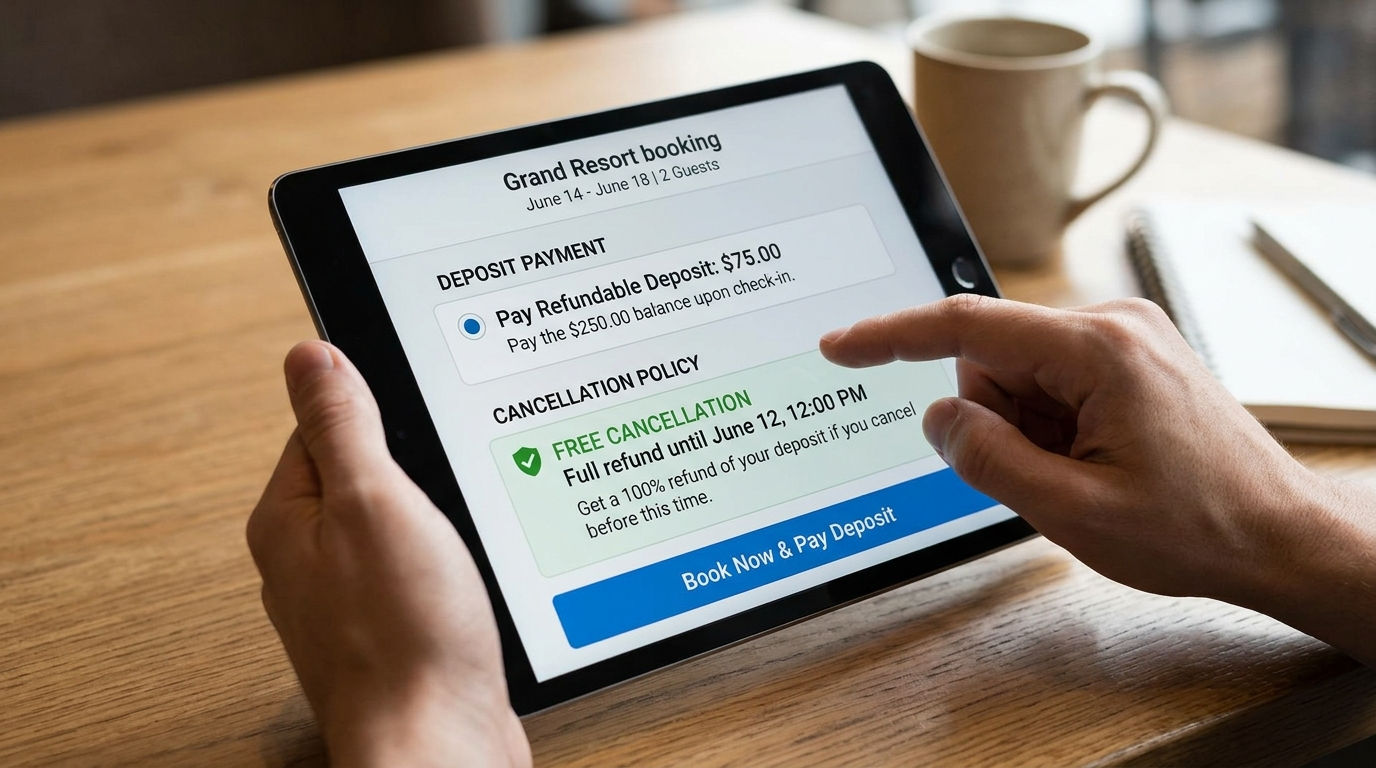
Present concise key terms before final confirmation and make the fuller policy available for review in accessible language. A link buried in the footer is not an effective substitute for clear terms where the customer accepts a booking condition.
A customer clicks “confirm” without seeing the late-cancellation rule until the confirmation email arrives. A post-booking notice cannot reliably repair a condition that the client did not have a fair opportunity to understand beforehand.
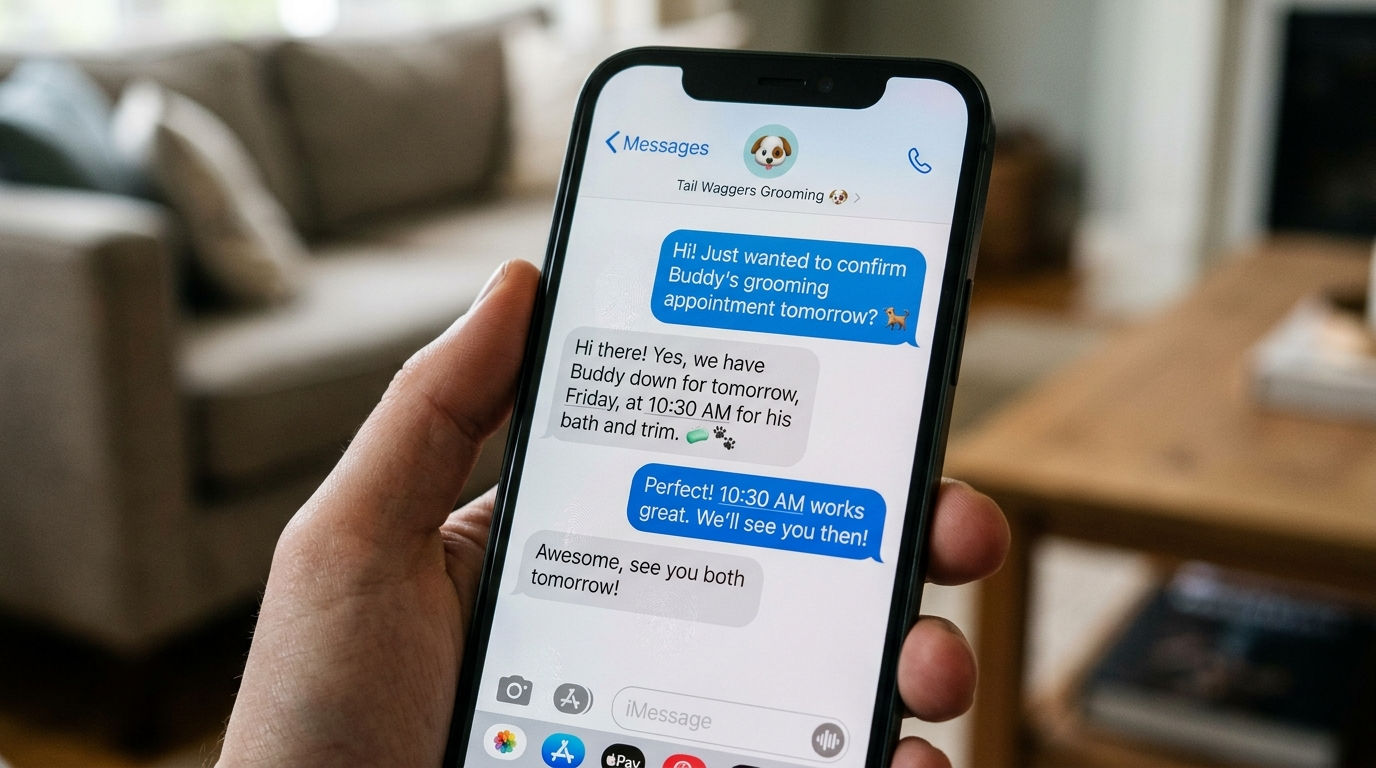
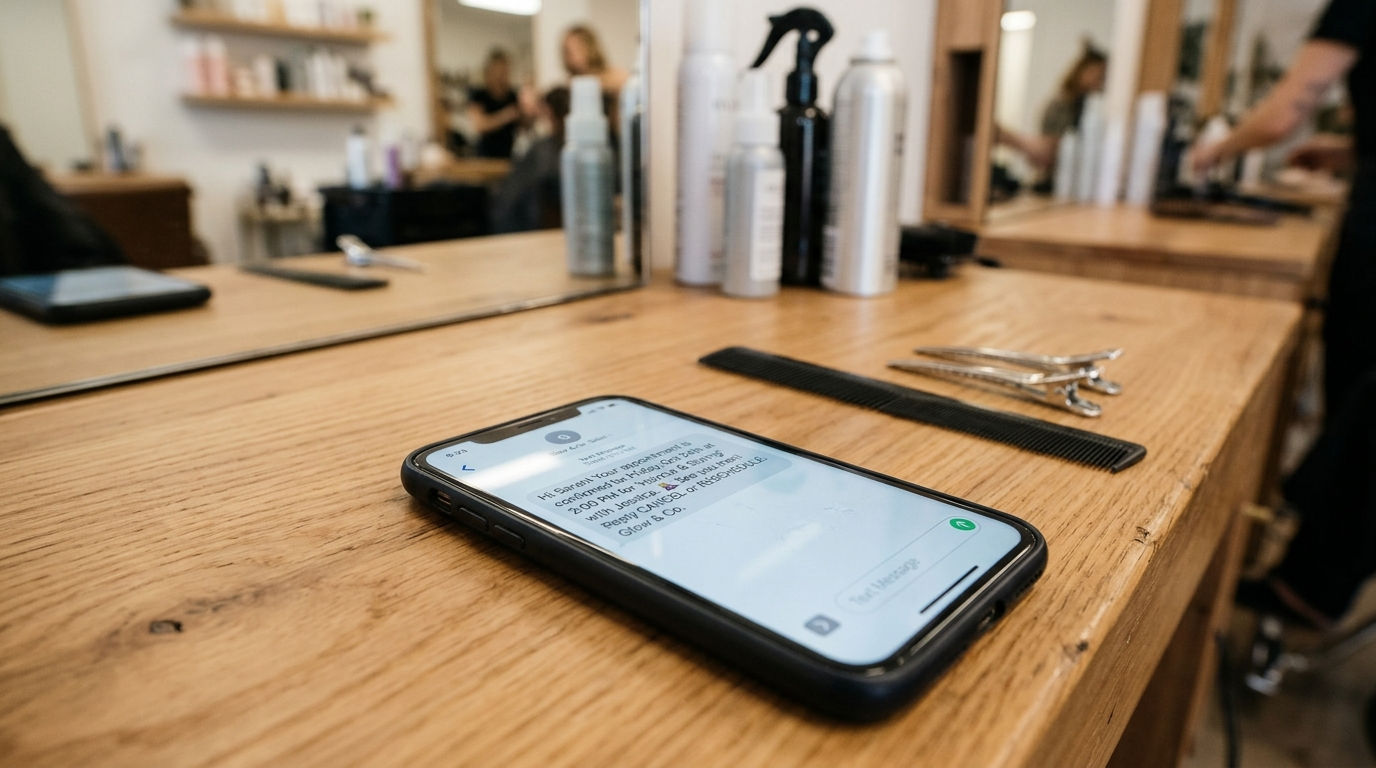
Clients should receive these terms with the same clarity discussed in booking confirmations by text and email.
Define the deadline clearly
Clients need to understand how much notice is required and what time reference the salon uses. State the period and relevant time zone, illustrate with a clear example where helpful, and explain how clients should contact the business.
Confusing “business days” with calendar hours can produce unnecessary conflict. “48 hours' notice” is interpreted differently when an appointment is on Monday morning and the salon is closed on Sunday.
Keep the amount and condition consistent
Website copy, automated texts, payment checkout and staff explanations should not contradict one another. Letting an AI assistant improvise discounts, exceptions or penalties undermines the business's stated rules.
A booking page states a fixed deposit while the payment link requests a different amount without explanation. Maintain one approved policy source and test each point where fees are displayed or communicated.
Make exceptions a deliberate human decision
Illness, emergencies and unusual circumstances may warrant discussion, depending on the applicable policy and legal requirements. An owner contacts the salon about a genuinely unexpected incident shortly before their dog's appointment.
Offer a direct path to explain the situation and record any decision made by the business owner consistently. Automation should not guarantee a waiver or automatically deny a legitimate question that requires context.
Handle cancellation and rescheduling differently where appropriate
A customer tries to move a paid Saturday visit to the following week and fears losing the entire payment. Moving an appointment may affect the deposit differently from cancelling outright; clients should know which rules apply.
Generic “no refunds” language is not a substitute for a policy that is accurate and legally appropriate. Explain the actual transfer conditions, show charges before the change is completed and update the payment record transparently.
Ensure payment status matches booking status
Verify both payment and reservation outcome, give clear follow-up when either fails and avoid duplicate charges on retries. A failed card transaction, expired checkout session or delayed provider callback can leave customers unsure whether their time is secured.
A client receives a payment success screen but the booking platform never records the appointment because of an integration error. Automatically sending a confirmed appointment after a payment error can create a problem the groomer must later unwind.
Review the policy through actual client questions
Repeated confusion is a signal that wording or workflow needs improvement, even if the terms themselves have not changed. Rewrite the explanation in plain language, test it on mobile and make sure staff and automated messages use the same version.
A longer policy page is not always clearer; a short answer near the booking button may resolve the main misunderstanding. Several customers ask whether the deposit is deducted from the final grooming price despite that being the intended policy.
Put the policy where a decision is made
A deposit rule does little good when it is buried in the website footer and appears only after someone has selected a time. Explain the relevant amount, when payment is due, what the deposit secures and how changes are treated before the client commits. Keep the wording proportionate to the decision; a concise explanation with access to the full terms is easier to understand than a wall of legal language. Do not claim that every deposit is automatically non-refundable in every circumstance without checking applicable consumer law and the business's actual obligations.
Different services may have different cost or scheduling implications, but complicated exceptions should be documented rather than improvised by an AI assistant. If a long appointment needs a deposit and a short service does not, the booking flow should reflect that distinction. When the system shows a price, it must not confuse a deposit with the full expected grooming cost. Explain if the final service charge may change after coat assessment and who will discuss that change with the customer.
Make the payment state reliable
Sending a checkout link is not evidence that payment has succeeded. Use a trusted payment processor and rely on its verified result before treating a deposit as received. A booking may be pending payment, provisionally held or fully confirmed; decide which states the diary supports and what the owner sees in each one. Never request card numbers through an ordinary chatbot or text message. A failed payment should not create a permanent hidden booking that blocks a slot indefinitely.
When someone cancels or reschedules, keep the payment record connected to the correct appointment. The system should not silently charge another deposit or promise a refund that staff have not authorised. If an exception needs review, explain that a person will assess it. Automated policy replies are most useful when they are accurate and know when to stop.
Test the policy with common real-world situations
Try a customer who cancels inside the notice window, someone who moves the appointment twice, a dog whose coat requires a longer service and a no-show where the reason is disputed. For each case, identify what the published rule actually says, what the booking system can enforce and when human judgement is needed. If the answers differ across website text, confirmation email and chatbot, correct the source of truth. The client should not receive three different versions of the same condition.
Make sure the wording is accessible to customers who are unfamiliar with online booking. Avoid double negatives, unexplained technical terms and emotional language about customers “wasting time.” Explain the operational reason for a rule without accusing the person reading it. Consistency and a respectful tone support clearer expectations for both sides.
Keep the terms under active review
Changes to deposit amounts or notice periods should be reflected in new bookings, but the system must not assume they retrospectively replace conditions already agreed. Keep a record of the version presented when an appointment was made where that is necessary. Review disputes to identify ambiguous phrases and adjust the published policy if needed. A fair process protects valuable diary time while making it clear that customers can ask a real person about exceptional circumstances.
Check the wording against a customer's actual choices
Imagine that a client books a long Saturday service. Before payment, the page should clearly show the required deposit, the cancellation notice period and what happens if the appointment is moved. It should also distinguish the deposit from the final grooming price. If a coat assessment may alter the service, explain when and how the groomer will discuss that change. The client should have a chance to review the terms before committing, not discover them in a confirmation that arrives afterwards.
Now test a short-notice cancellation. Can the booking system show the conditions that were actually presented when the appointment was made? Can a staff member review a disputed case without the assistant inventing an exception or threatening an automatic charge? Where consumer rights or fairness questions arise, seek appropriate legal advice rather than relying on a chatbot's interpretation. Clarity is not a guarantee that every client will agree, but it reduces preventable misunderstandings.
Distinguish a deposit from a penalty
The terms presented at checkout should explain what the customer is paying and how it relates to the service. A booking deposit is not automatically the same thing as a cancellation charge, and the two should not be described interchangeably. If fees depend on notice periods or circumstances, show the relevant condition plainly. Where a dispute arises, a person should review the agreement and the facts rather than allowing a chatbot to declare a final legal outcome.
Test the price disclosure journey
- Show the deposit and cancellation terms before the client presses the final booking button.
- Explain when deposits are refundable and avoid automatically describing every charge as non-refundable.
- Check a cancelled appointment case against documented actual costs and the applicable consumer rules.
Official background reading for Explaining Deposits and Cancellation Rules Before Booking
Clear terms are part of good service
The strongest payment communication tells the client what applies, when it applies and what choice they are making. Keep the explanation visible and consistent, use real payment confirmations and preserve a respectful route to discuss exceptional cases.