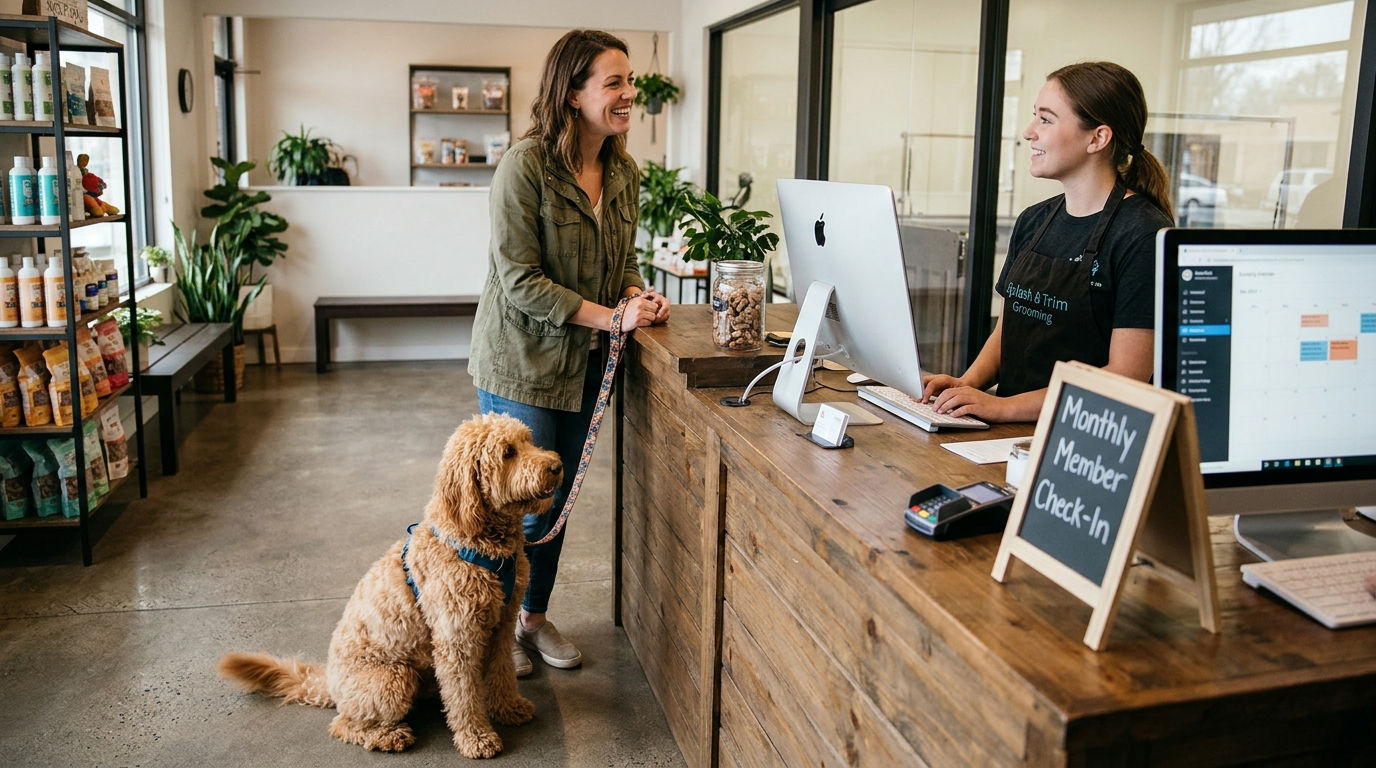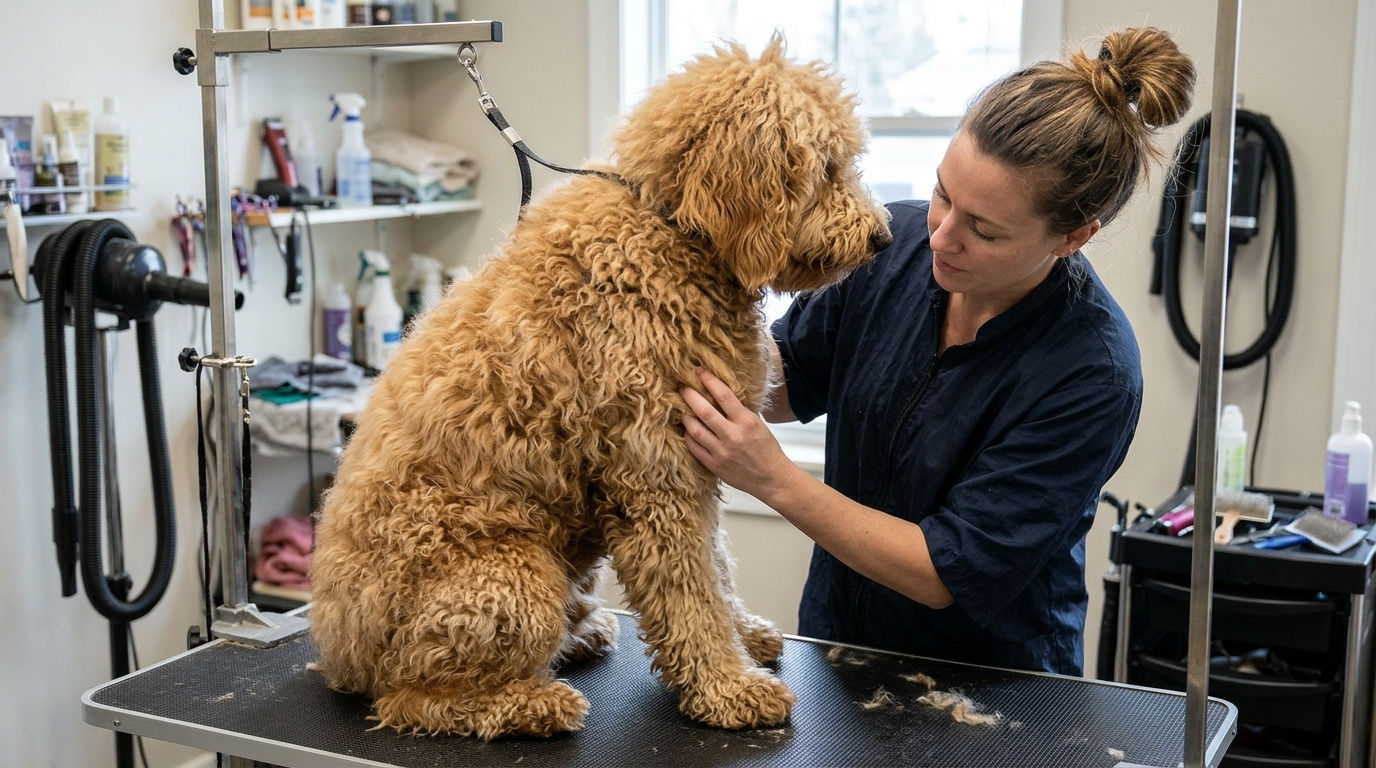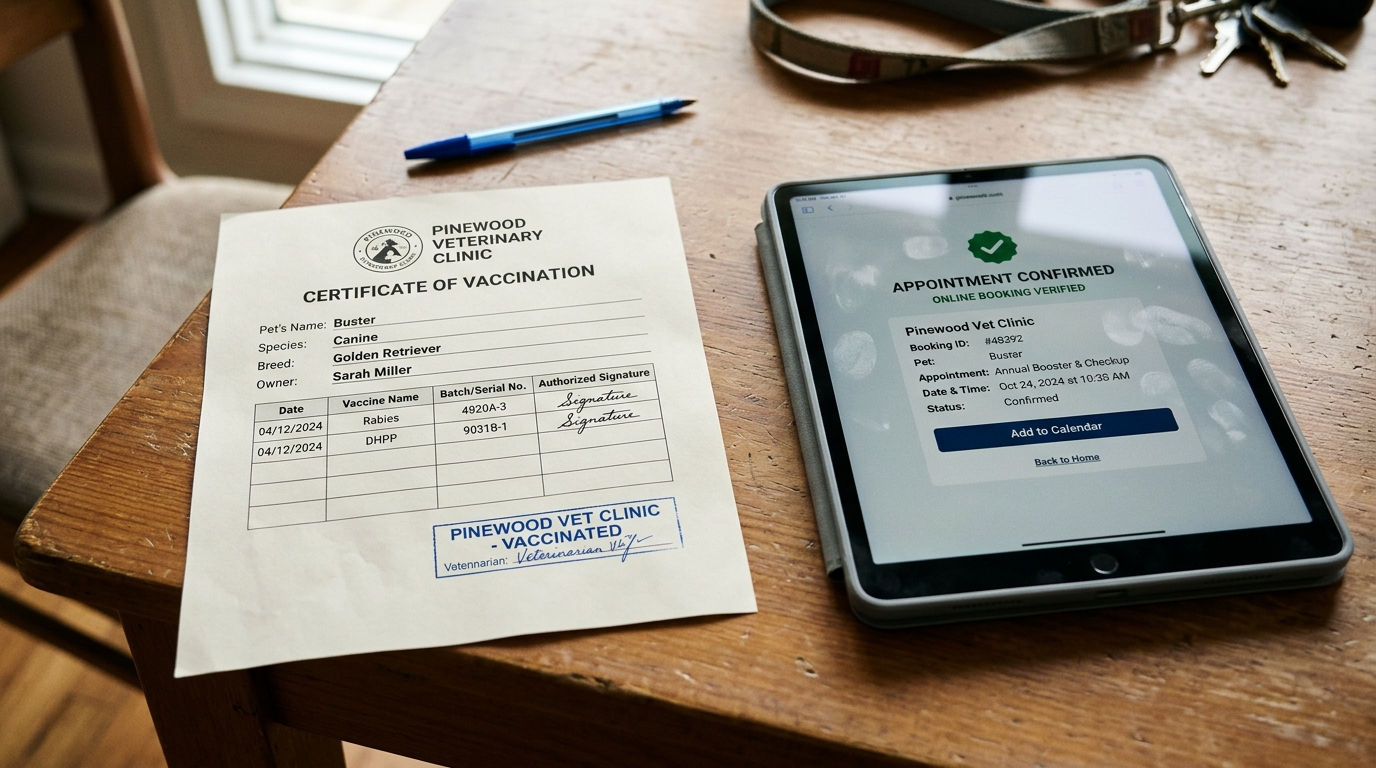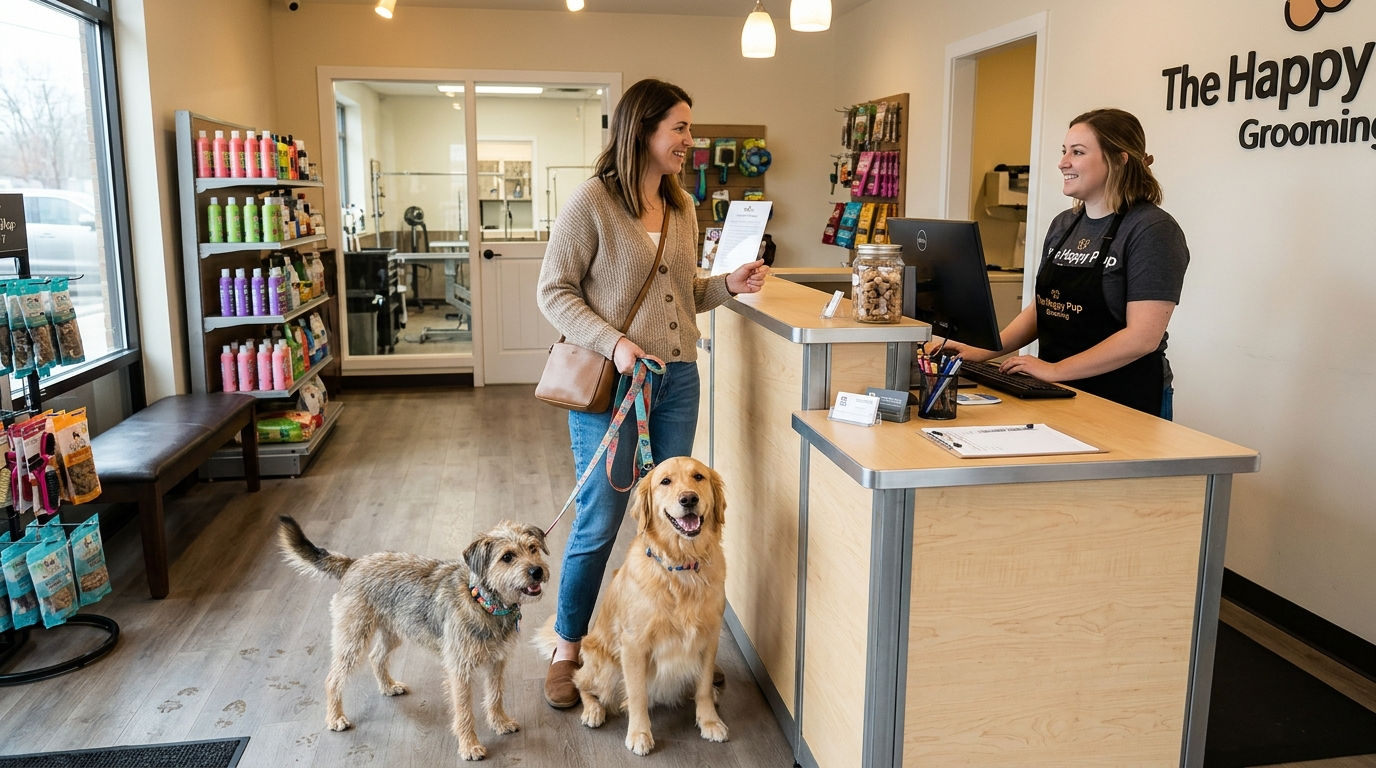
A household with two or three dogs may want one convenient visit, but the booking system must still treat each animal as a separate grooming job. Different coats, handling needs and service lengths can make a combined appointment more complicated than one form submission.
The best experience lets the customer make a single request while preserving enough detail for each dog.
Build a separate pet record for each dog
An owner's telephone number is not enough to identify which animal needs which service, especially when names are similar. Treating a multi-dog visit as one undifferentiated appointment can corrupt histories and cause wrong pricing.
One household has a small senior terrier and a young doodle, but the booking form attaches the full groom to the wrong dog. Let the customer select or add each dog separately, then show a confirmation summary that pairs names with services.
Separate, up-to-date pet records are covered in creating dog profiles that help repeat visits.
Decide whether visits are simultaneous or consecutive
Two dogs from one family may arrive together, but one groomer cannot necessarily handle both at the same time or safely accommodate them in the same space. An owner expects both dogs to be groomed during a single two-hour visit although their combined work requires much longer.
Explain whether your salon handles the dogs sequentially, in parallel with separate staff or only by individual drop-off. Do not promise a shared collection time unless the staffing and facilities make it realistic.
Calculate total work and room occupancy
A long de-shed and a small trim compete for the same drying equipment even though the appointment blocks appear to fit. Time depends on the services and animals, not simply the number of booking rows. Shared equipment and breaks matter too.
Naively adding estimated minutes may still overlook resource conflicts or necessary dog separation. Check combined duration, bathing capacity, drying needs and any handling constraints before offering one household window.
Keep intake details attached to the right animal
Use per-pet questions and visible labels throughout the flow, especially when the owner reviews or edits answers. Coat notes, medication-related disclosures and behaviour observations must be linked to the pet they describe, not the family as a whole.
The customer reports dryer sensitivity for only the older dog, but a shared notes field makes it appear to apply to both. A single long text box is convenient to build but difficult to interpret safely when several animals are involved.
Explain deposits and pricing clearly
If the business uses deposits or estimates, a household may need to see the breakdown by dog and understand what is combined. Display each appointment's service and applicable fee or estimate, then show the household total where possible.
An automated assistant should not invent family discounts or refund terms that the groomer has not approved. An owner assumes one deposit covers both dogs, while the salon policy calculates it for each reserved service.
Make changes without disturbing every booking
Sometimes one dog becomes unwell or the owner needs to move only part of the household visit. The system needs a deliberate process. Cancelling a whole household block automatically may remove valid appointments and create avoidable admin.
A client cancels the puppy's bath but still wants to bring the other dog for its full groom. Let staff adjust individual pet services and check whether the combined timing or shared travel arrangement still works.
Handle travel and transport for mobile groomers
A multi-dog household is convenient geographically but may create a long stop that affects the day's route. A mobile groomer can park once but must still allow setup, sequential bathing and practical access for each dog.
Confirm location, parking, power or water needs as relevant, and calculate total work before committing the route. Treating one address as one short stop can badly underestimate time even when travel is saved.
Confirm every dog and the overall plan
The owner receives two separate confirmations with different start times and assumes both dogs should arrive for the later one. A final message should make it easy to see what will happen, without sending a confusing series of conflicting reminders.
Do not rely on a vague “two pets booked” message when the schedule depends on different staff or timings. Show each dog, service, individual or shared arrival arrangements, total expected window and how changes should be requested.
Keep the household and the dogs distinct
A convenient household booking form can reuse contact details, but it should not collapse several animals into one generic pet record. Ask which dogs need appointments, the service requested for each, and whether their coat, behaviour or health information has changed. A pair of small dogs may look like a straightforward combined booking, yet one might need specialist handling or considerably more drying time. The calendar must represent each service accurately even when there is a single person paying or collecting.
Provide a clear overview before confirmation: dog names, services, proposed order, start and likely collection arrangements. A single confirmation that says “two dogs booked” is too vague if the grooming takes place at different times or locations. If the salon plans to work on them sequentially, explain whether the owner should bring both at once or return for the second dog. These practical details can prevent stress at handover.
Decide whether the services can truly overlap
In a one-person salon, two grooms usually require sequential blocks of hands-on work. The combined booking may also need a suitable holding arrangement, cleaning time and owner handover capacity. In a larger business, two staff members may work simultaneously, but shared equipment can still constrain the schedule. Model those resources before offering one-click multi-dog appointments. Do not assume that the calendar can simply halve the total duration because both dogs belong to the same client.
A mobile groomer has additional limitations. Grooming two dogs at one address can save travel time, but each animal still needs its own realistic service duration and setup. If the customer adds a third dog late in the process, the system should recheck capacity rather than attaching an extra name to an unchanged slot. Any revised price or duration should be confirmed before the appointment is finalised.
Handle deposits, changes and cancellations explicitly
If your business takes deposits, decide whether one payment covers the household visit or individual services, then present the actual rule before checkout. The system should record what the payment secures and make any refund or transfer conditions clear. A customer cancelling one dog's service may or may not affect the other's appointment, depending on how the diary is arranged. Never cancel both automatically without confirming the client's intent.
Self-service rescheduling needs similarly precise language. “Move Charlie” should affect Charlie's booking, not Bella's, unless the owner chooses a joint move. Where changing one service would create an unusable gap or conflict, offer human review. The user interface should make the consequences visible instead of silently rearranging the whole household's plans.
Give the groomer a useful collection view
At the start of the day, the booking summary should show each dog separately, the services due, relevant notes and the shared contact details. After the visit, staff should be able to update one profile without overwriting the others. Reminders can refer to the household appointment but must still identify who is coming. Accurate naming matters; confusing two dogs is more than a small administrative error when coat or behaviour notes differ.
Test the experience with a household containing dogs with different needs, a partial cancellation and a reschedule that affects only one animal. The combined flow is successful when it saves the owner typing while keeping the professional's schedule and records as precise as separate bookings.
A household booking example
An owner requests bath-and-brush services for Alfie and Poppy. Alfie is a calm regular whose previous visits fit the standard duration; Poppy is a first-time rescue dog whose handling needs are uncertain. The software can collect both sets of details and reuse the owner's contact information, but Poppy's request should remain subject to the groomer's assessment. A combined “appointment confirmed” message would be misleading if only Alfie's time has been secured. The confirmation should show each dog's status separately.
Imagine the owner later asks to move Poppy's visit but keep Alfie's time. The system needs to know which appointment is being changed, whether a deposit applies and how the shift affects the remaining schedule. A well-designed household view reduces typing while preserving independent records and calendar actions. The groomer should not have to untangle one generic booking note to discover which dog needs the extra time. The convenience belongs to the owner; the precision belongs to both.
Before confirming a family booking, make sure the owner understands whether the dogs will be handled together or separately, how collection will work and which services are actually confirmed. If an individual dog needs additional time, avoid silently shortening another appointment in the same household. The full visit should remain realistic for the groomer.
Stress-test a two-dog booking
- Create separate records and coat notes for each dog even when one owner makes the request.
- Check the schedule for consecutive versus overlapping services, depending on real staff availability.
- Make the confirmation show each dog’s service, duration and price expectation separately.
Official background reading for Booking Multiple Dogs From One Household in One Request
One household request, clear plans for each pet
Multi-dog booking is successful when convenience for the household does not erase the individual needs of each dog. Keep records separate, make timing and prices transparent and confirm the overall visit in terms the owner can readily understand.